Pluck, pluck, pluck — issue #74
What would you do if you discovered a new resource growing in abundance on your land? What if it comes with a cost? Human behaviour is age-old, and we seem bound to repeat the choices that have echoed throughout history. We ponder access, utility, and the secret calculations we make every day.

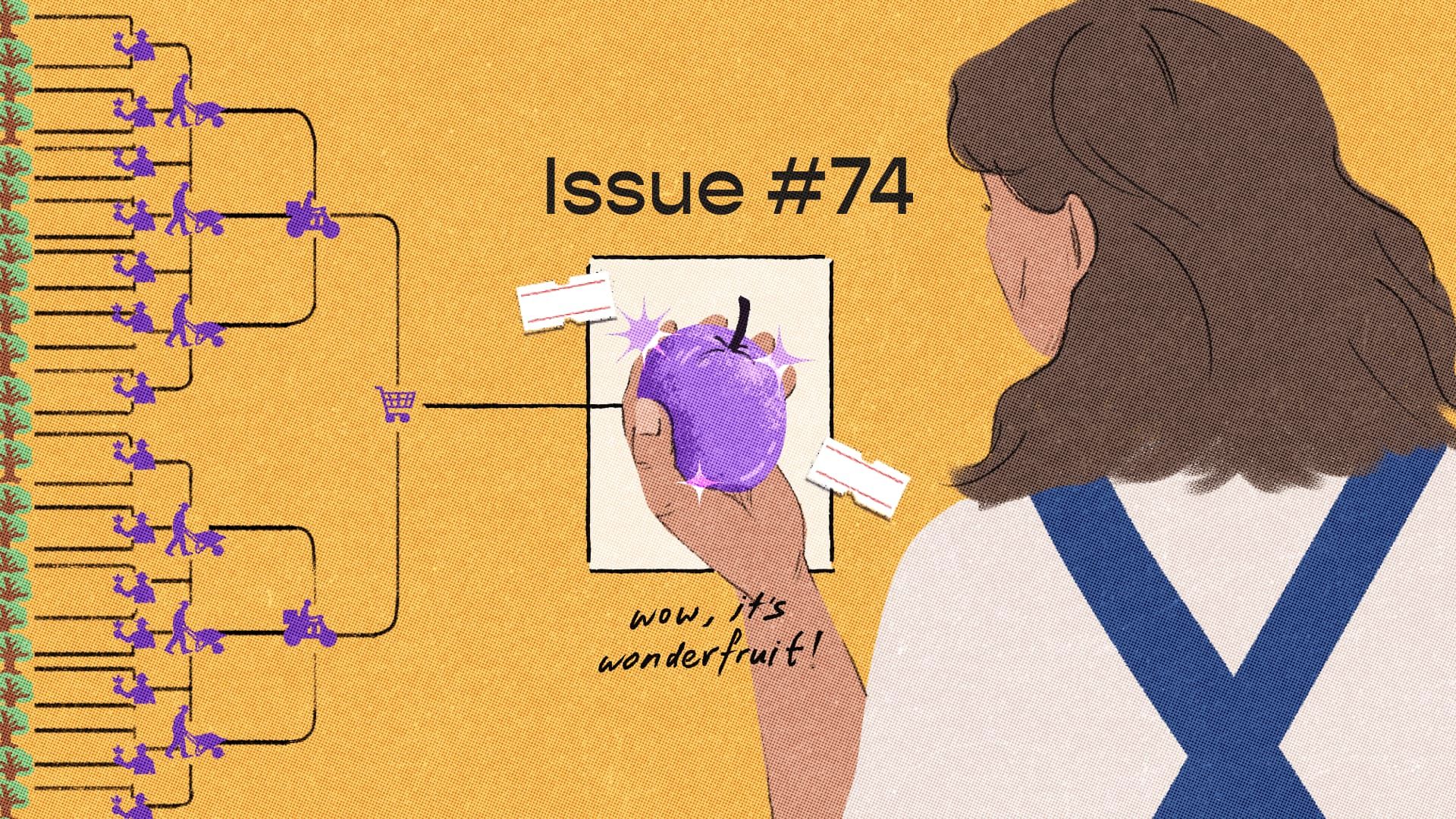
Imagine you’ve discovered an entirely new and useful fruit, growing only on land you own. Let’s call it “wonderfruit”.
You have a couple of options:
- Leave it alone
- Use wonderfruits sparingly for yourself and your community, and leave the rest as they are
- Learn the best ways to cultivate wonderfruits. Sell a portion of what’s available, ensuring you have a tidy stream of income
- Look for a well-financed entity that will invest in growing it at scale, and then become a salaried employee of said entity
Now, what if you learn that each time you pluck a wonderfruit, an animal you find cute has a higher likelihood of dying? Pluck, it chokes on its own saliva. Pluck, its family develops a mysterious disease. Pluck, it spontaneously combusts. It didn’t cost you anything to benefit from its usefulness, but it definitely cost something to another being. As a discoverer of the wonderfruit, your choices are very real and immediate to you.
But what if you’re just a consumer? You might have heard about the wonderfruit’s impact on animals, and thought to yourself, “that’s nothing to do with me”. Maybe there is a more expensive brand, where a portion of what you pay goes to helping wonderfruits grow more sustainably. But how do you ensure that? You can’t, and maybe… you don’t really want to think about it, because it’s too bitter a pill to swallow. So you buy the fruit and enjoy it. That’s the end of the story for you.
In a system that wants to blind us with sweetness (A well-deserved holiday! This shiny new thing! A miraculous wonderfruit!), these bitter pills are rarely offered up willingly. It’s not just about that new phone, AI chatbot, or blindboxes with the latest collectible. Think: the carbon emissions from your flight on every vacation, or out-of-season fruits in the supermarket that need hothouses to grow all-year round. The hidden costs are not always hidden, but we all do our own implicit calculations that we can make sense of and live with.
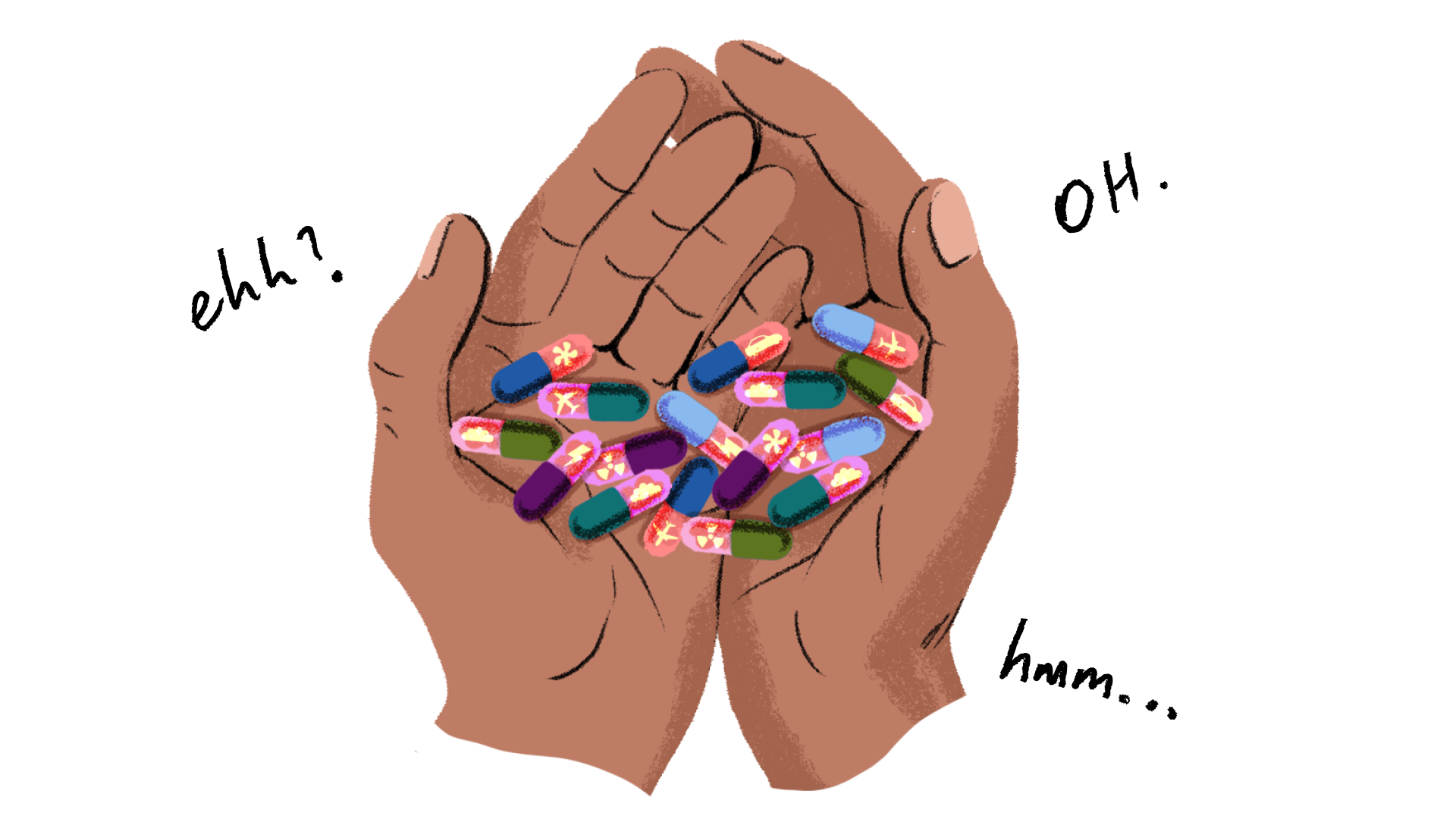
The wonderfruit seems like a silly little example, but it represents a kind of cost calculation that is involved in the discovery of every useful thing we’ve obtained from our world. Just substitute “wonderfruit” for any other product or service that is of use to societies, and follow that train of thought all the way to the end-consumer. Like you and me. What are the bitter pills that we’ve long learned to swallow, the tastes that no longer linger on the tongue? It doesn’t mean we have to stop enjoying things, but those trade-offs will always be part of the larger picture, if we choose to look.

more from us...
From fish to rice, the Mekong River has long sustained communities across the region. But climate change demands collective action and decision-making to protect this waterway.
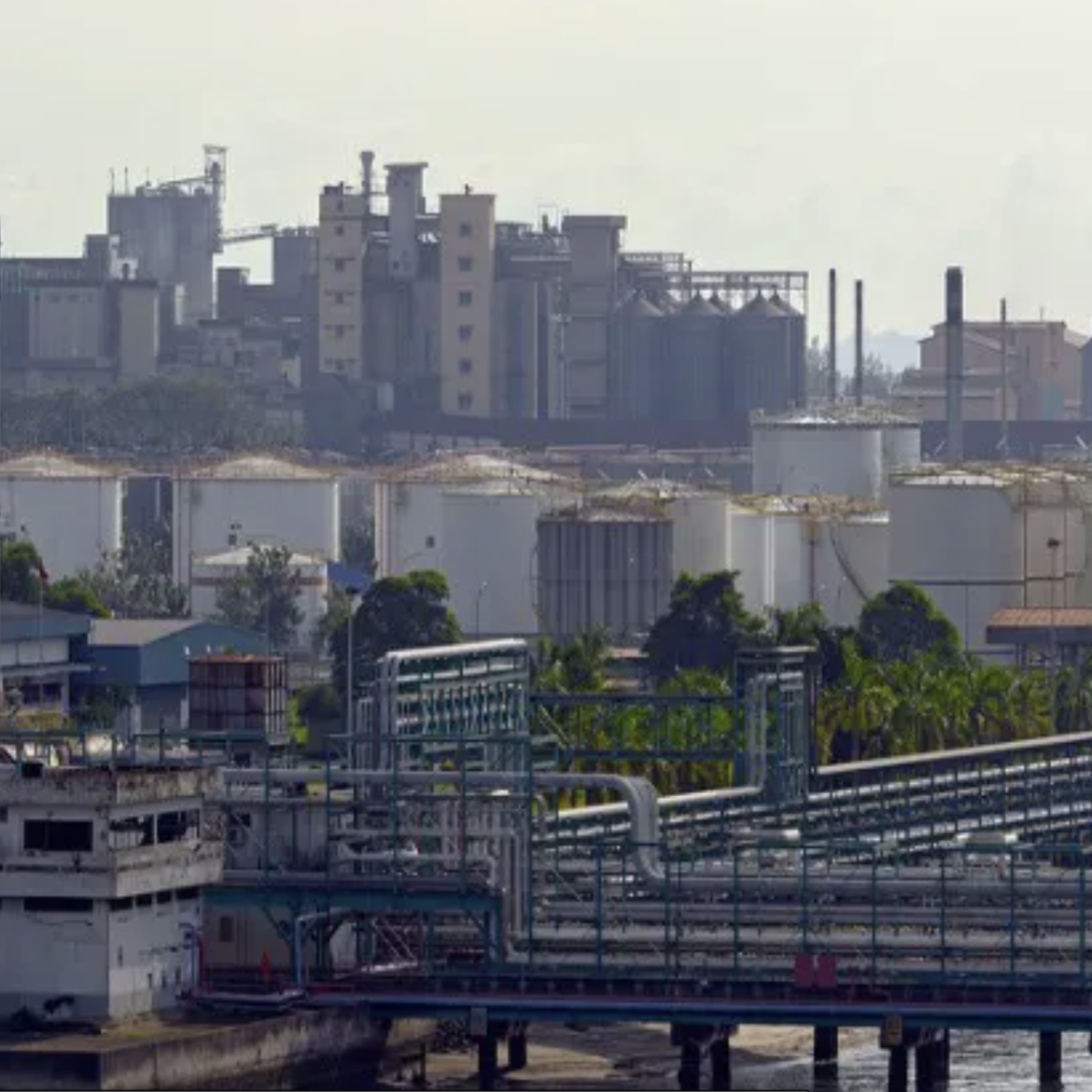
Pasir Gudang in Johor has repeatedly made headlines for pollution crises from its industrial plants. Revisit the 2019 chemical poisoning incident, where local communities pay for the extraction of resources.
Kawan special
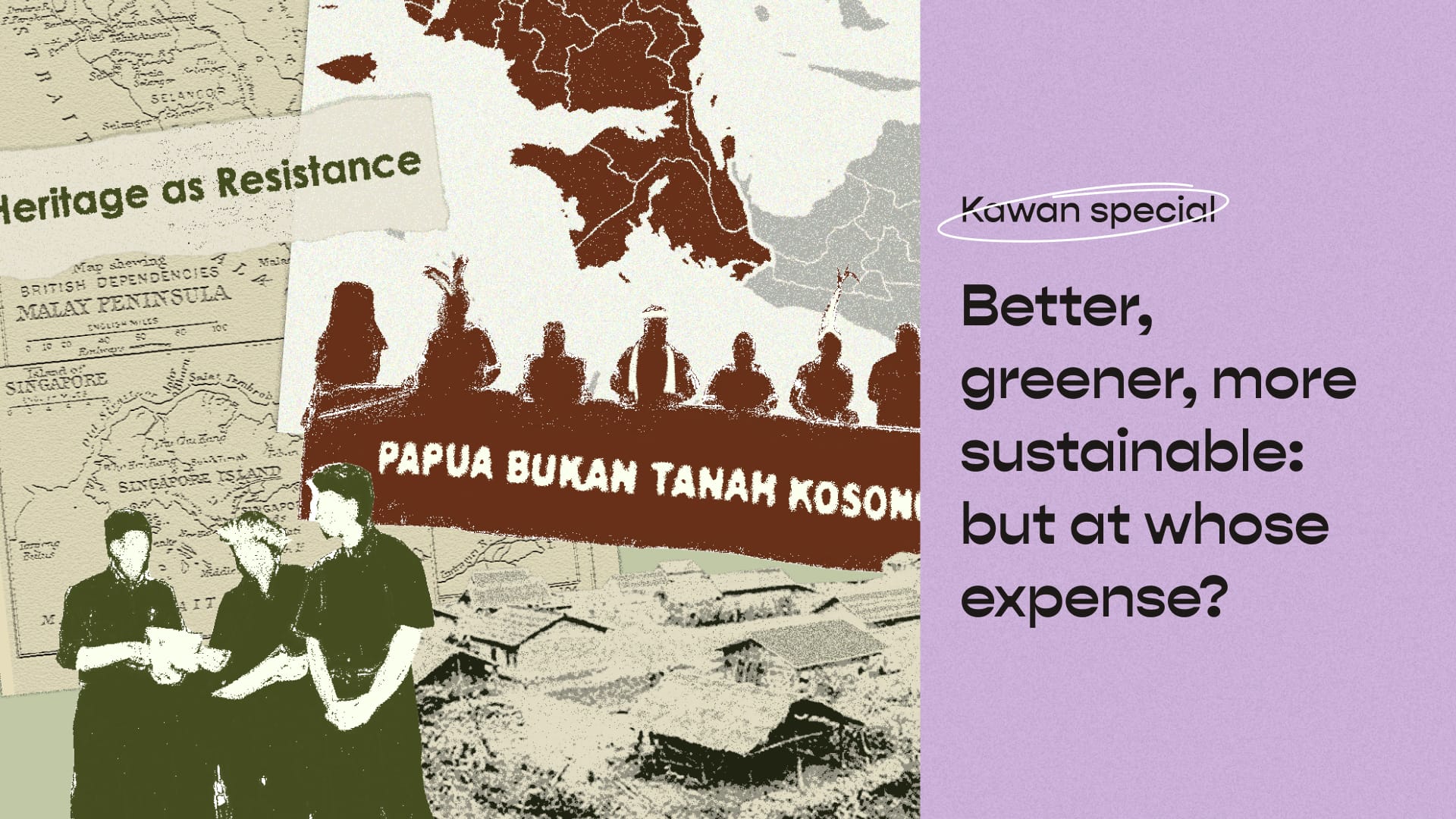
As data storytellers, we're always aware of whose voices shape our stories. After attending a workshop on Indigenous and critical perspectives on agriculture, food sovereignty, and conservation in Asia by Asia Research Institute, our data storyteller Kai Hui reflects on some important insights.
Stuff we love
↗ Data designer Inumimo Idowu crafted this easy-to-understand data visualisation tool using a glass to visualise safe water access per country.
↗ Global Alliance reflects through the Indigenous perspective that our livelihoods have never been just about income.
↗ Do you still think of your digital data and footprint as existing in an ‘invisible cloud’? Artist Kaspar Ravel uncovers the data centres in Brussels where personal data is physically stored.
↗ Data Workers’ Inquiry is a participatory platform which documents the experience of data workers across different regions, like the psychological impact of data cleaning.
Did you know?
Dwindling catches of Songkhla Lake
Dwindling catches of Songkhla Lake
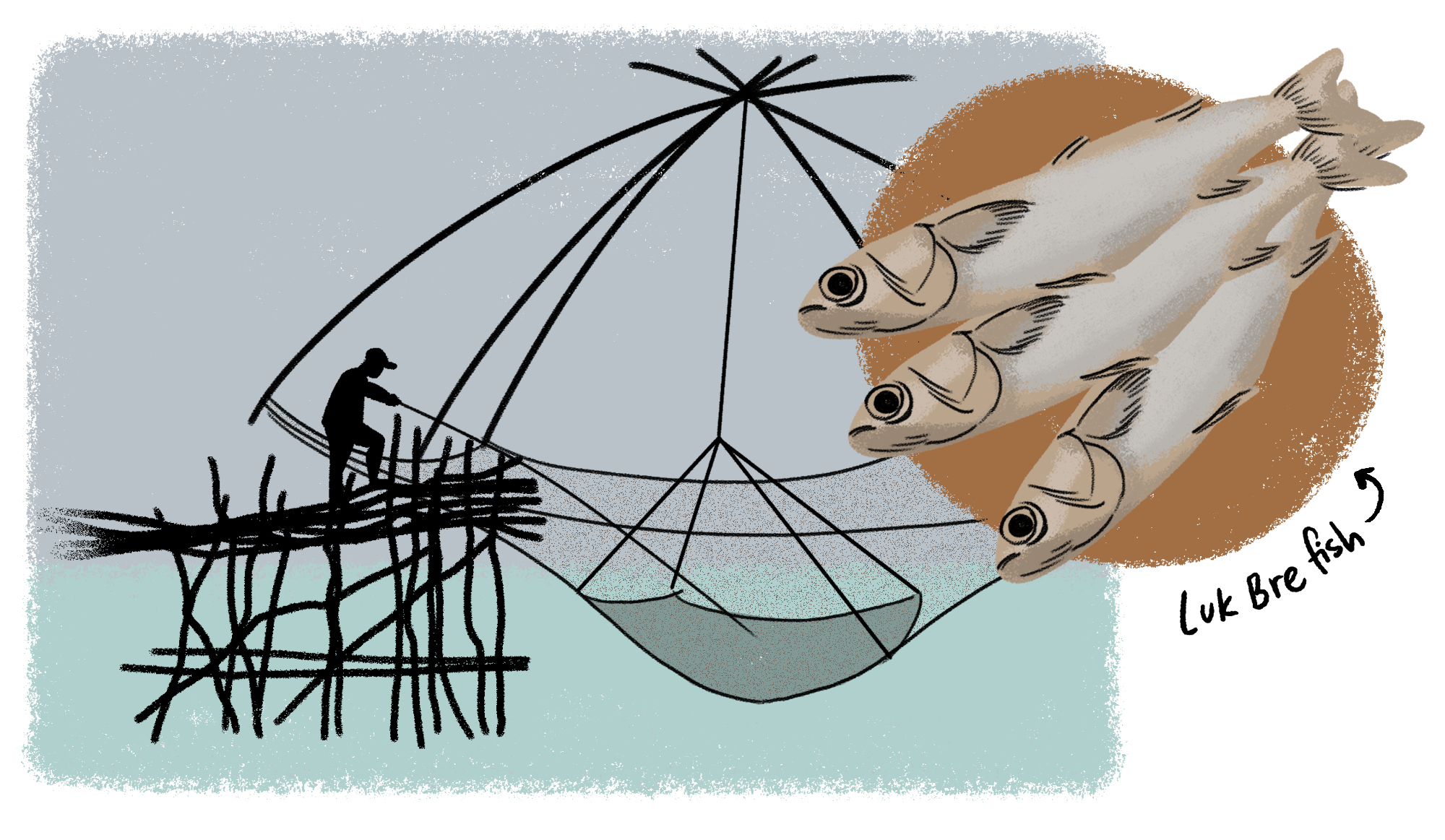
In southern Thailand, the Yo Yak net is traditionally used by local fishers to catch Luk Bre, a native freshwater fish typically found in the Songkhla Lake basin. For decades, it has been part of local diets and livelihoods. But today Luk Bre is increasingly disappearing as water quality declines due to upstream agriculture that is contaminating the lake with pesticides and other pollutants. This is alarming proof that pollution is limiting access to once-reliable forms of sustenance and resources.