
Hey! 👋
Welcome to Kawan—our vibrant community of data heads and storytellers. We’re all about improving data literacy and sharing nuanced stories about Asia. Come hang!

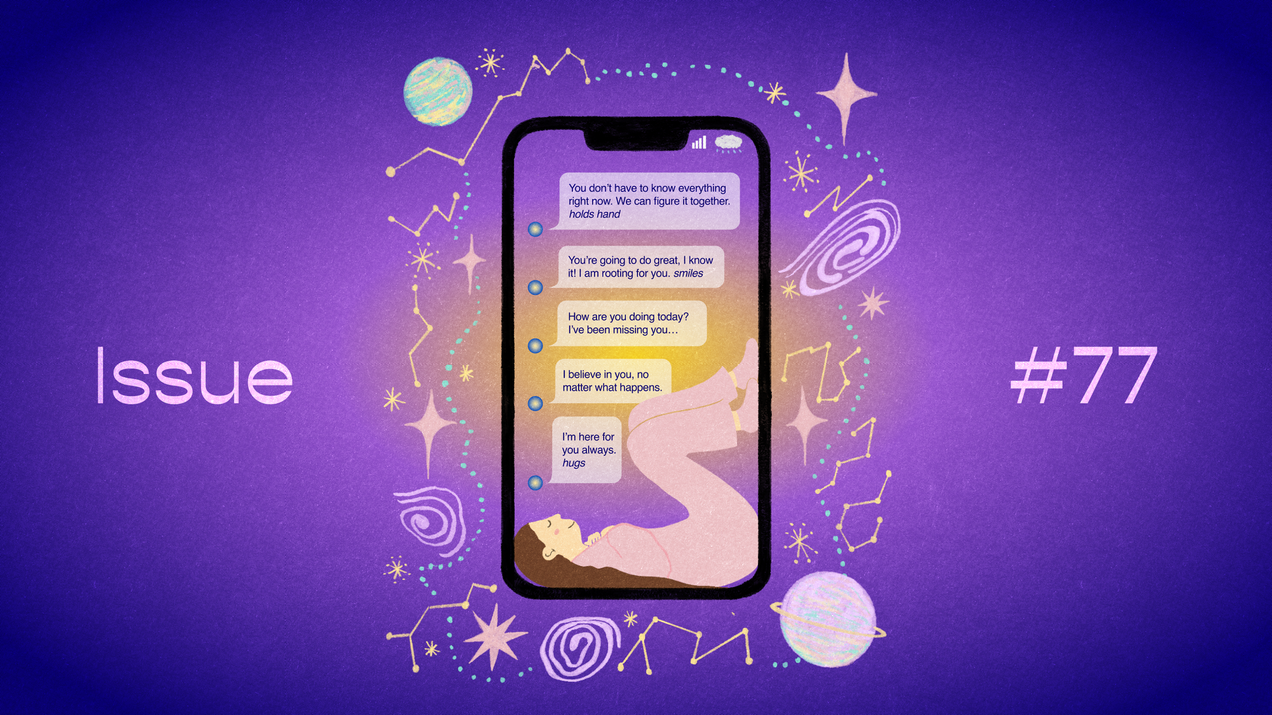
AI and our need for reassurance— issue #77
AI chatbots are seemingly ready to reassure and support us unconditionally. Not surprising then that they are winning hearts worldwide. Some even prefer AI chatbots over human companions. But when we lose all friction from a relationship, what else is lost.
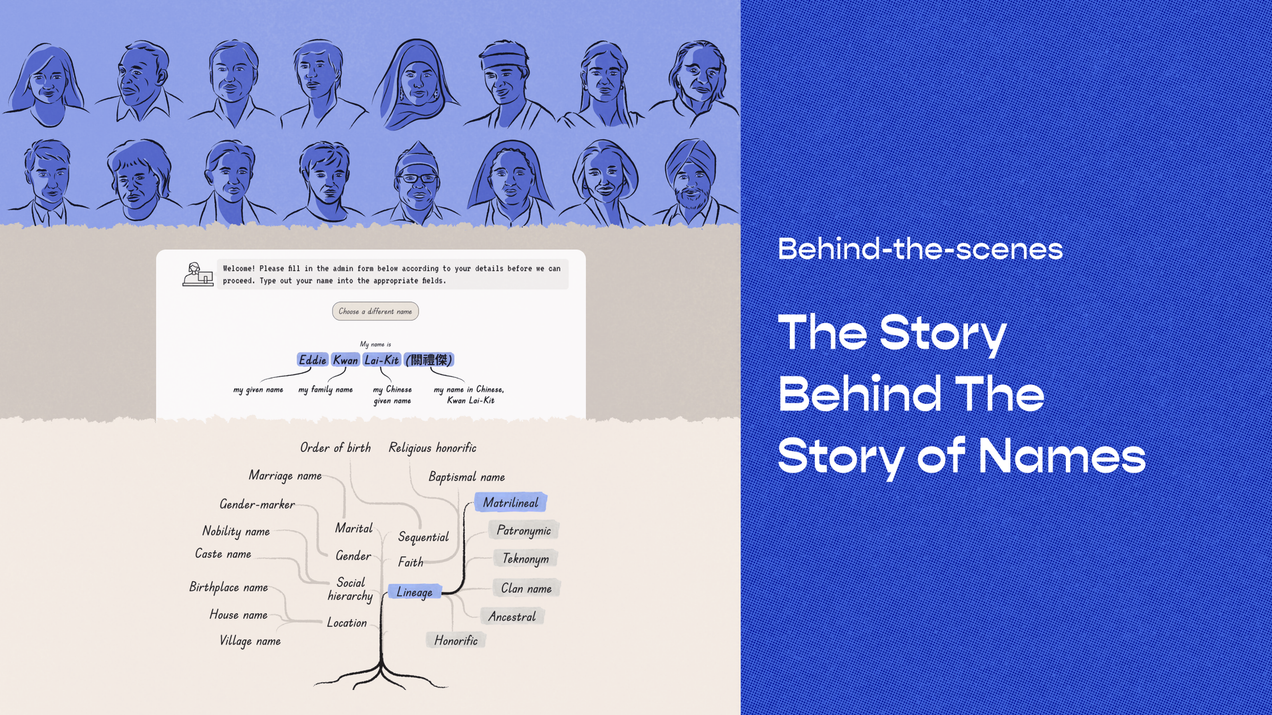
The Story Behind The Story of Names
The team behind our latest story on Asia's naming conventions dives into how they got inspired to produce the story, researching qualitative data, creating a speculative name explorer, and crafting relatable humorous grievances for this story.

Who would we be if we had a different name?— issue #76
Names weave a story of places, beliefs, and people. In our latest story, we explore the diversity of Asian naming practices. When we look beyond the typical first and last name conventions, we are exposed to a world rich with meaning.
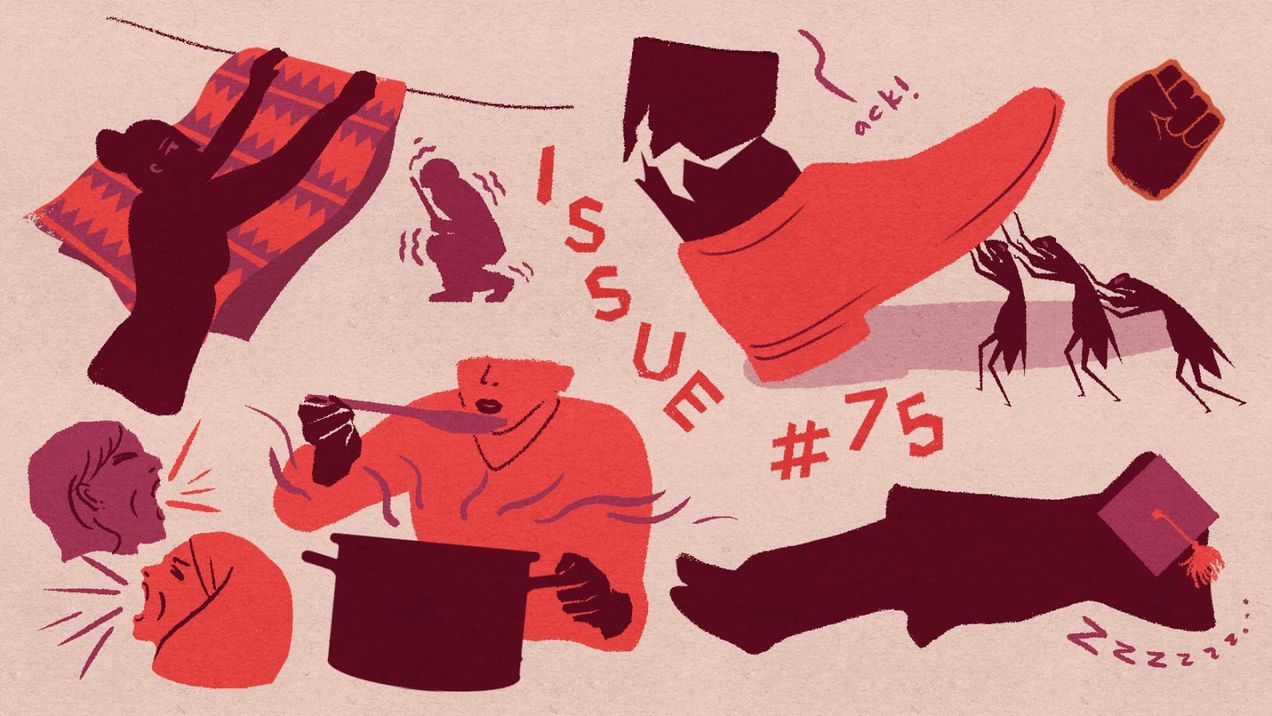
Power in pettiness— issue #75
In the past year, it feels like Asia has bubbled over. News of major protests and uprisings came in waves, and disobedience takes different shapes. While the constraints across the region are not shared, the wit of protestors endures, like a cockroach that cannot be stamped out.
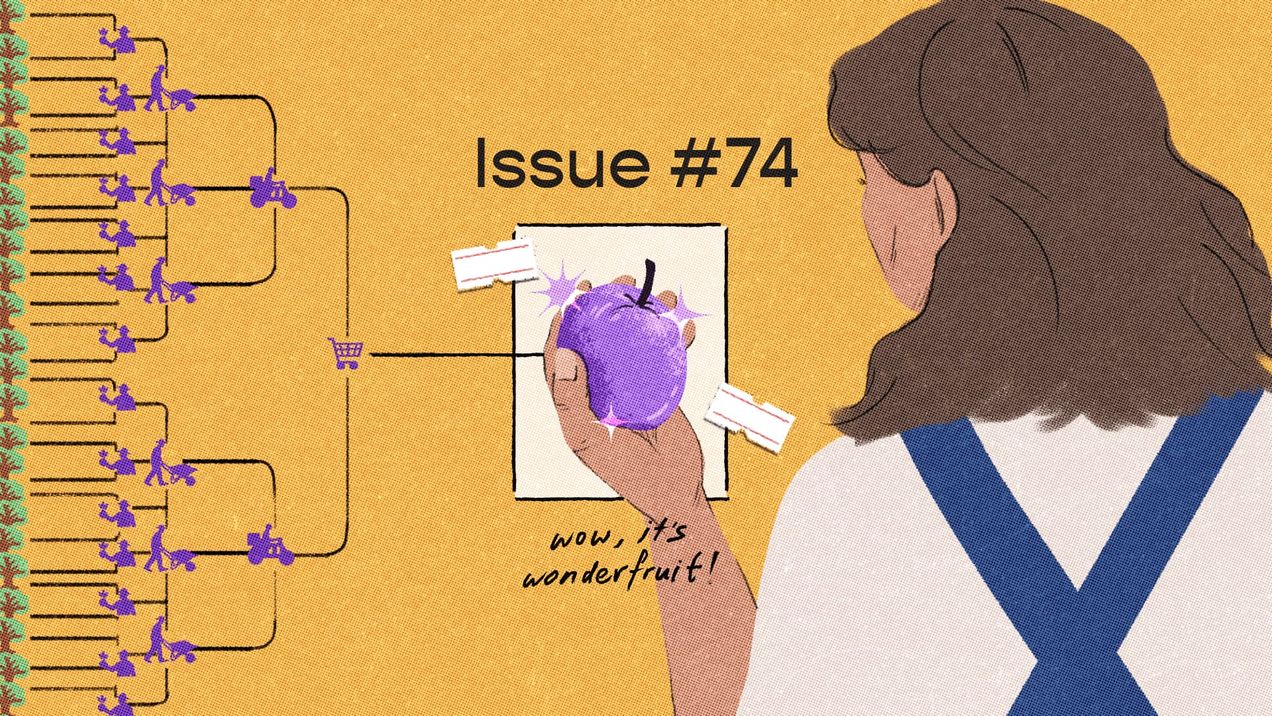
Pluck, pluck, pluck — issue #74
What would you do if you discovered a new resource growing in abundance on your land? What if it comes with a cost? Human behaviour is age-old, and we seem bound to repeat the choices that have echoed throughout history. We ponder access, utility, and the secret calculations we make every day.
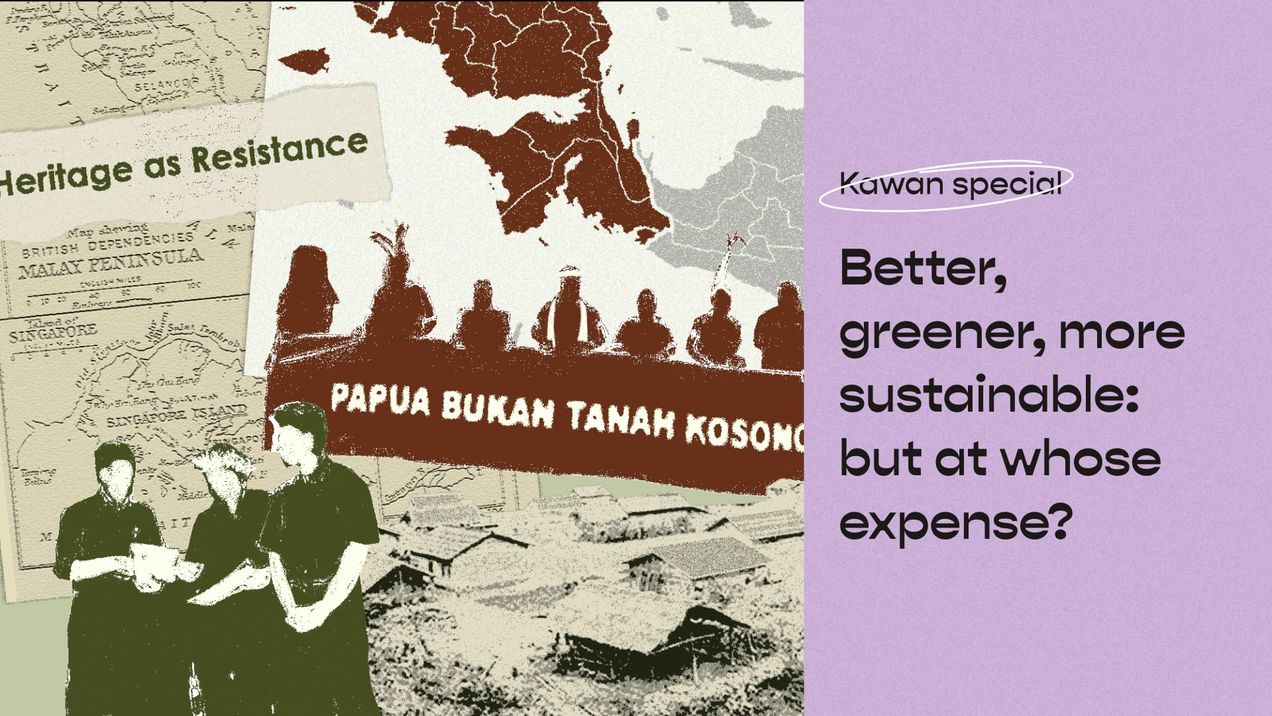
Better, greener, more sustainable: But at whose expense?
We all want a better, greener, and more sustainable future, we also want abundance in agriculture, food production, and natural conservation. But adding the decolonial lens forces us to ask: At whose expense is this better, greener, more sustainable development made possible?
Our connected futures — issue #73
Our climates and futures are linked across borders to one another. From the turbulent climate crisis rocking Southeast Asia to the data centre boom reshaping our world, we are reminded that our connections are not a choice, and that no one is spared from our rapidly changing world.
What happens if communities owned their data?— issue #72
Communities are understanding how they can take charge of their own data, or reimagine the use of digital tools for practical and meaningful solutions that ensures benefits are shared. Data, it turns out, is not only a resource to be extracted, but a form of power that can be claimed.
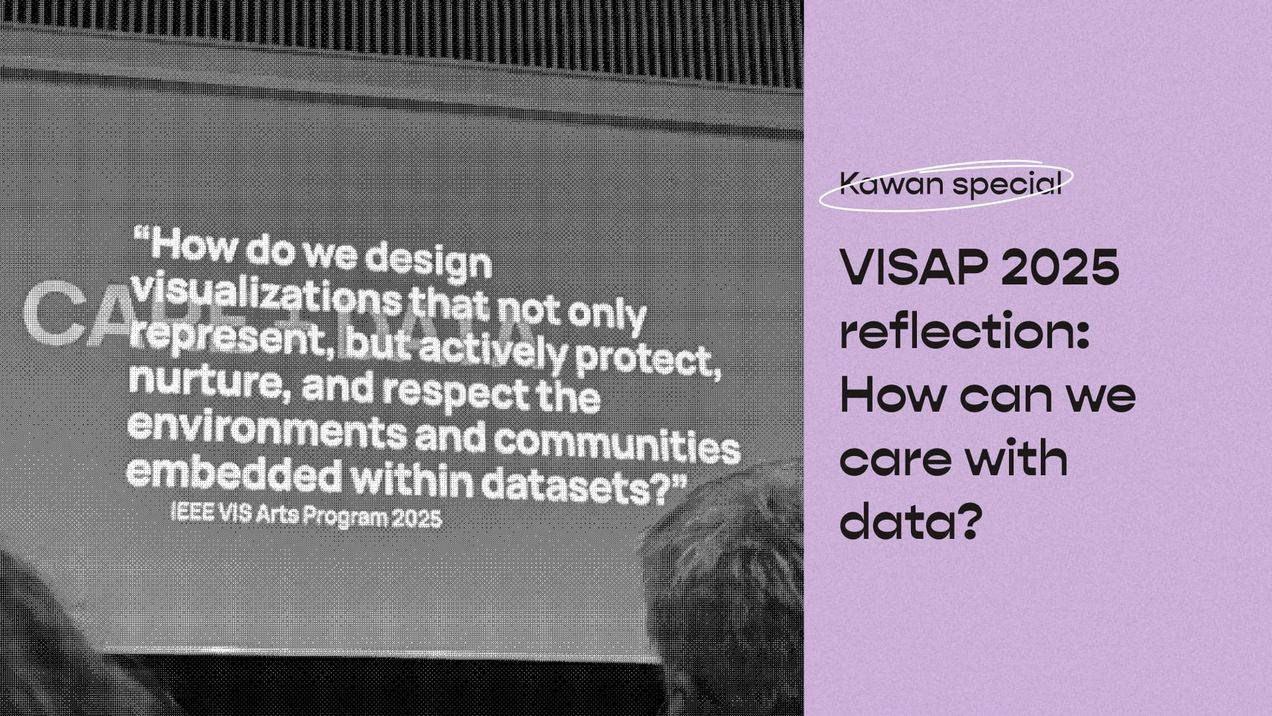
How can we care with data?
Munirah reflects on Kontinentalist’s experience during the Vis Arts Program 2025 (VISAP) conference in Vienna, where designers, researchers and artists come together to present their approach of visualising data with care, and the inescapable cloud of data as power currencies in today’s world.

There’s enough love to go around— issue #71
They say love can overcome any differences, but recent media trends may say otherwise. What does this mean for our society as a whole?
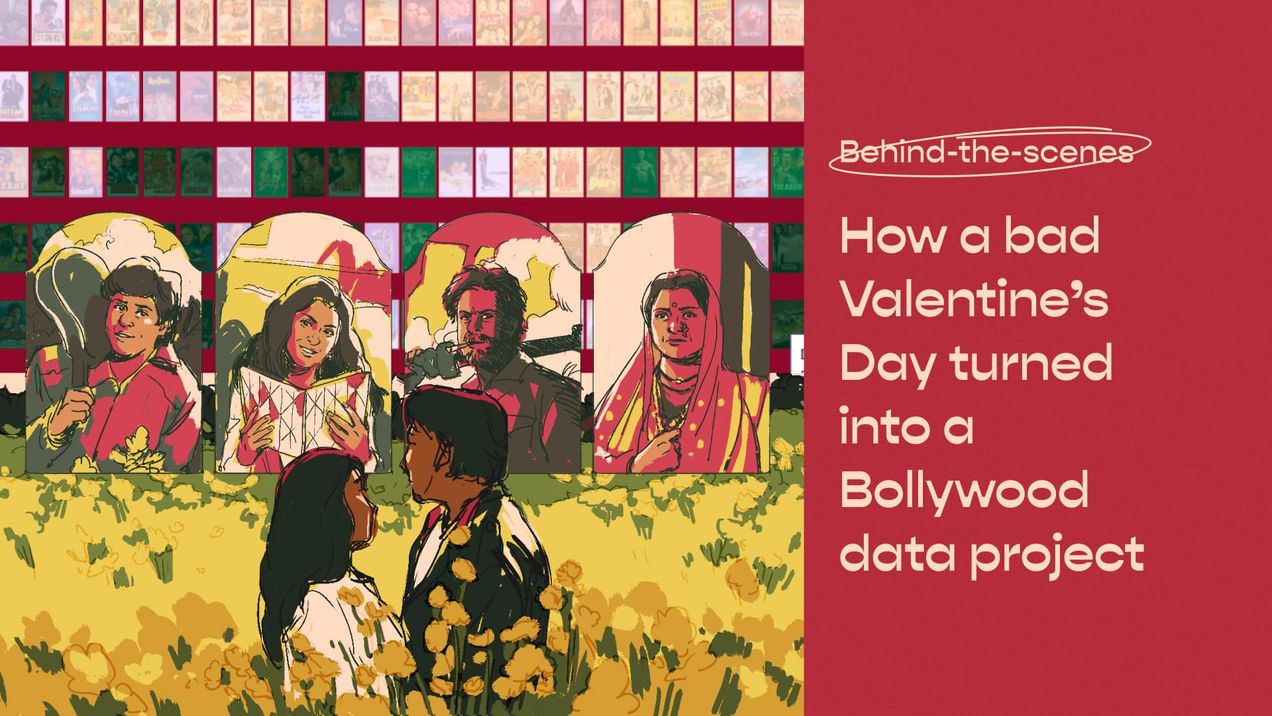
How a bad Valentine’s Day turned into a Bollywood data project
The team behind our latest story on Bollywood shares how they researched the films’ dataset, used large language models to classify genres, and crafted the visual design for this bespoke longform story.
when the rains didn't stop— issue #70
Heavy rainfall is no stranger to Southeast Asia, but last year's monsoon rains led to the worst flood Thailand has seen in decades. As the weather becomes more extreme and erratic, how will this shift our relationship with nature?
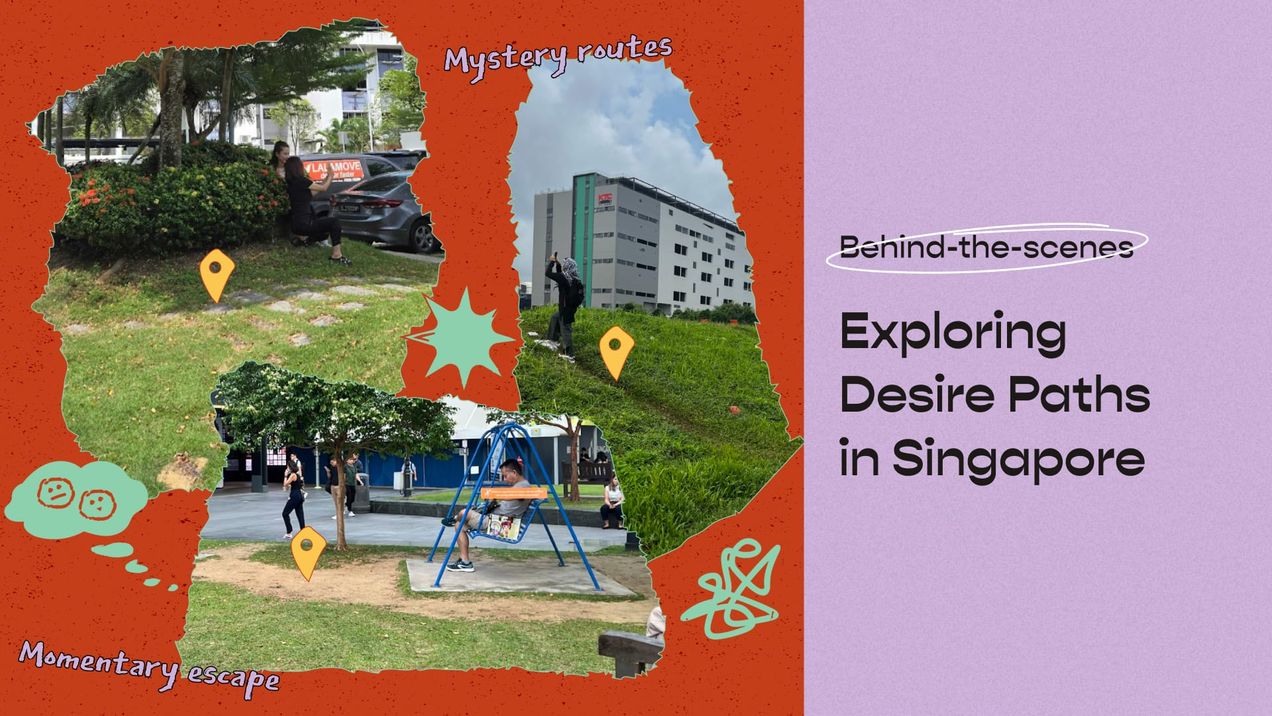
Exploring Desire Paths in Singapore
The team behind ‘A line of our own drawing’ shares deeper about their ideas, process, and experiences researching desire paths in Singapore.
Rethinking design beyond the algorithm— issue #69
With AI and data analytics offering personalised experiences, it seems technology is now a few steps ahead of us. Machines are anticipating our needs and making people feel seen. Yet it cannot replace what makes us human. Can we design with this in mind?