
Our connected futures — issue #73
Our climates and futures are linked across borders to one another. From the turbulent climate crisis rocking Southeast Asia to the data centre boom reshaping our world, we are reminded that our connections are not a choice, and that no one is spared from our rapidly changing world.

Springtime has come to Singapore. There is a misconception that seasons do not exist here, but I can see the city change before my eyes. Trumpet trees and cat claw ivy erupt around me with their red and golden yellow flowers. Trees that shedded in January have started leafing. It is no wonder why many cultures in this region have their new year marked here.
It has become increasingly difficult to tell seasons apart here. Singapore typically moves between two monsoons, the Northeast Monsoon from November to March, and then the Southwest from June to September. But the climate crisis has wreaked havoc on these rhythms. In March 2025, a monsoon surge arrived in Singapore during what should have been a dry phase of this season. Just last week, Bangkok saw a record high heat index exceeding 52 degrees celsius—and we are not that far behind: daily maximum temperatures are projected to reach 36 degrees celsius by 2050 for Singapore.
Our climates and futures are linked. We feel this heavily in a story about data centres in our region that we worked on, which makes clear their consequences on our environment and economies. As Singapore tightens its environmental regulations, Malaysia grapples with water concerns and public protests.
While Singapore's ties with the rest of the region are impossible to look away from, the rising demand for data centres is felt in parallel in Malaysia, Taiwan, the Philippines and India. This is no coincidence. Due to Southeast Asia’s access to global submarine cable networks, tax-relief for data centres, and rapid demand for cloud services from nearly 90 percent of businesses in the region, Asia-Pacific has become the fastest growing market for data centres globally, and countries are feeling the pinch one way or another. As countries and companies continue offshoring their data needs, the turbulent weather is a reminder that our connections are not a choice. No country is spared from a changing environment, and not from the data centres reshaping them. As with a length of rope, what we pull on one side will be felt on the other end.

more from us...
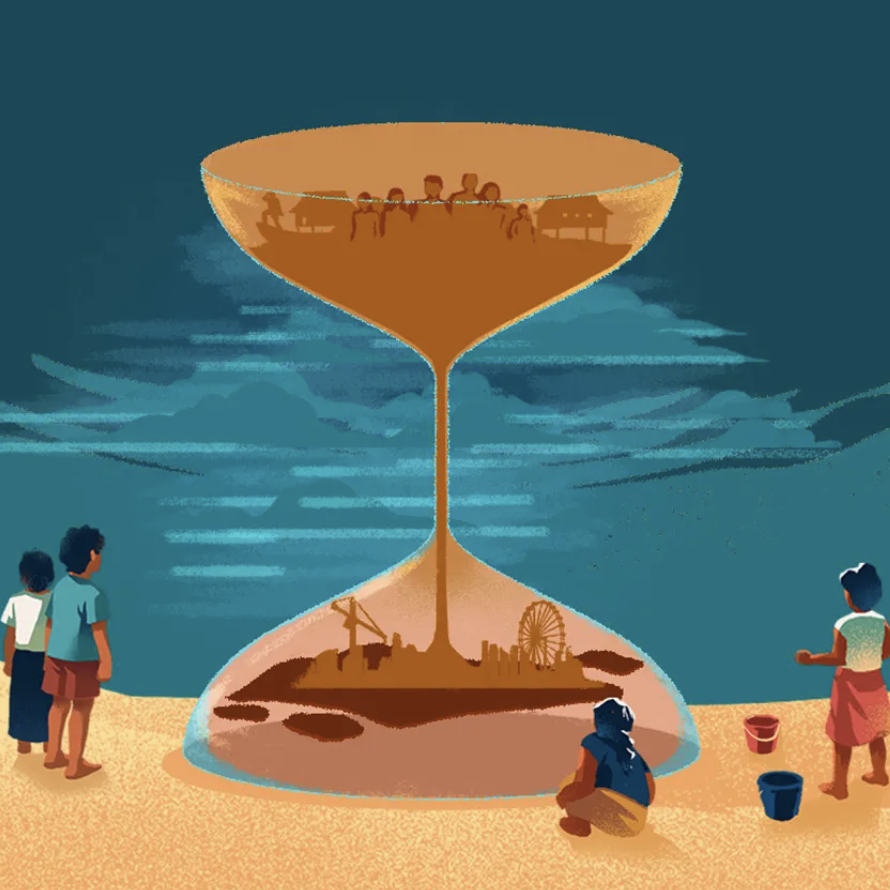
In the race for urban and economic progress, how does terraforming Singapore impact local communities, the region, and environment?

Foreign direct investment may sound good for a country’s economy. But learn how in Cambodia, it has a destructive impact on local livelihoods and the environment.
Kawan special

Read how our Experiment and Research Lead, Nabilah, joined a panel of media professionals in London discussing AI in journalism, offering a perspective that challenged views shared by other panellists and participants.
Stuff we love
↗ Wonderwhy writes how across Southeast Asia, small talk becomes a space to build connection.
↗ Nation Insights reflects on five principles that bind the two tropical nations, Indonesia and Brazil, by tracing shared lessons of resilience, adaptation, interconnectedness, abundance, and care.
↗ Across parts of Southeast Asia, Indigenous women are coming together to resist land extraction, defending ancestral customary land against the erasure of their culture and identities.
↗ Explore Nusantara Archive’s Instagram documentation of historical narratives, visual records, and shared traditions of communities across generations and geographies.
Did you know?
Singapore’s print legacies
Singapore’s print legacies
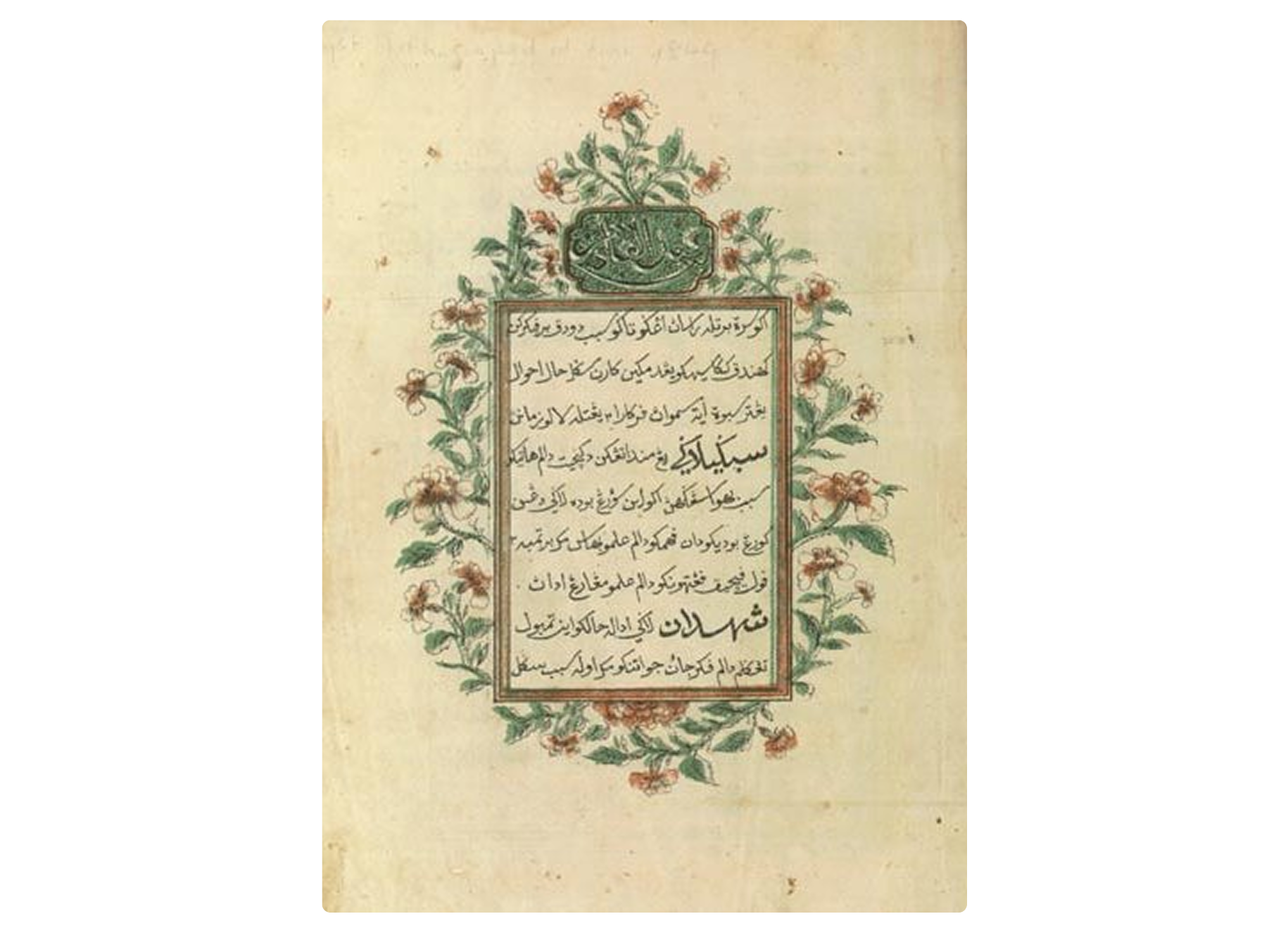
Printing in Singapore has its roots in the early 1820s, with missionary presses arriving from Malacca to produce Christian religious materials in languages serving English, Malay, Chinese, and Tamil readers. Singapore’s printing needs then expanded to government communication, trade, and literary production, reflecting the diverse and growing intellectual scene. Among the key productions were texts such as the Sejarah Melayu (Malay Annals), originally written in Jawi script, which became foundational to Singapore and the region’s historical narrative.