
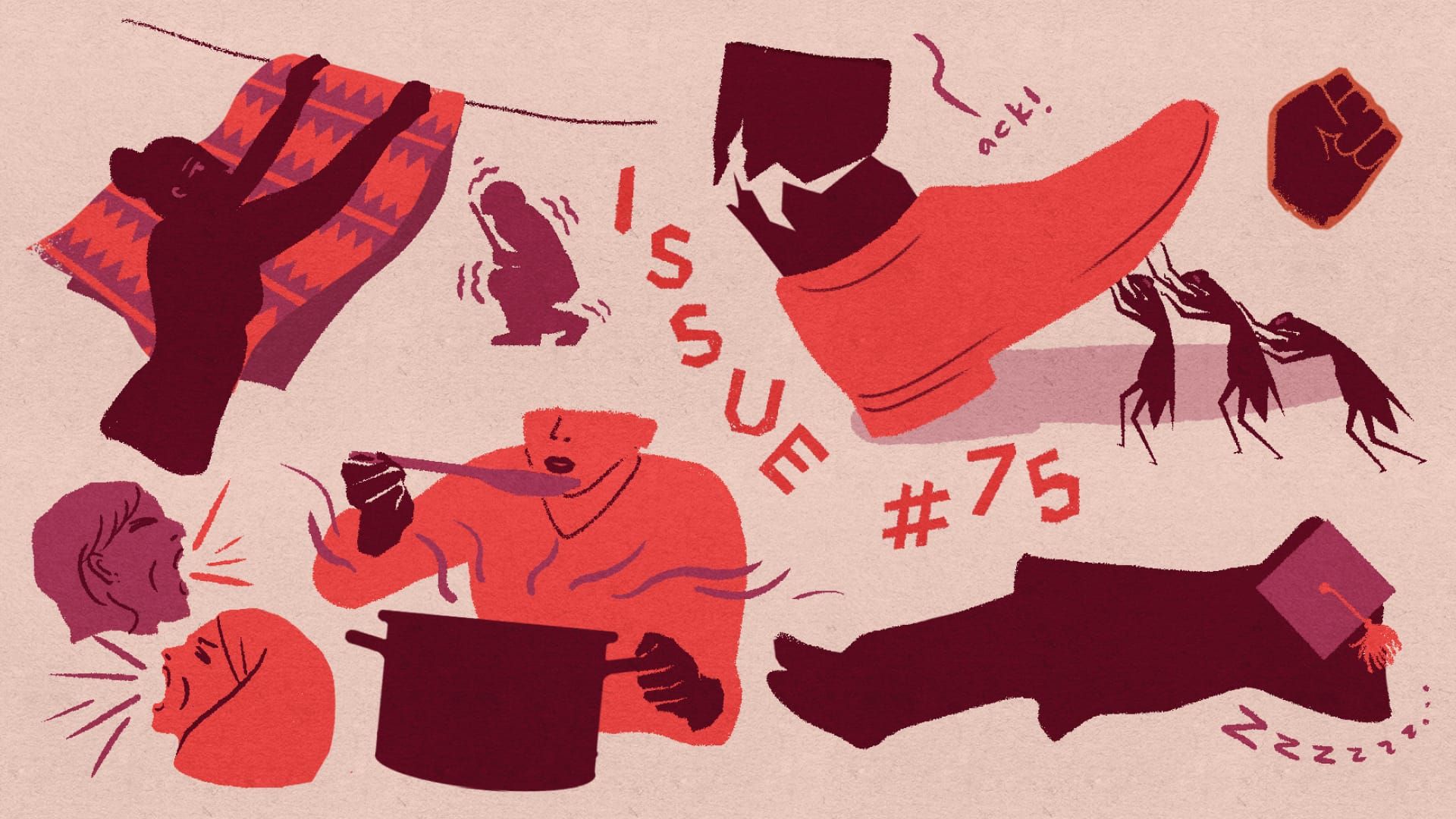
Power in pettiness— issue #75
In the past year, it feels like Asia has bubbled over. News of major protests and uprisings came in waves, and disobedience takes different shapes. While the constraints across the region are not shared, the wit of protestors endures, like a cockroach that cannot be stamped out.

In the past year, it feels like Asia has bubbled over. News of major protests and uprisings came in waves. Civil unrest in Jakarta, Gen Zs rising up in Nepal, and anti-corruption protests in the Philippines. More recently, the Cockroach Janata Party saw more young folk in India demanding changes to the national exam system. Images of thousands taking to the streets dominated news coverage. Commentators chimed in—this is Gen Z’s moment, the end of an era, and so on.
As a Singaporean, I admit these images of street protests can sit a little uneasily. In a country where protests require permits, or are reduced to a little patch of green called Hong Lim Park, protests feel risky and often also foreign–seemingly an imported “Western” ideal. But disagreement can find unique forms. Back in 2011, a Chinese family in Singapore complained about the strong curry smells that came from the home of their Indian neighbours; after mediation, the two families settled on the Indian family cooking only when their neighbours were out. In protest of what seemed like intolerance, thousands of Singaporeans organised over social media and made curry in their homes on a weekend that same month. So did I.
In preparing for this newsletter, I shared this anecdote with my colleagues. “Collective pettiness”, one of them quipped. I love the term for what it represents. Pettiness is what’s left when the room for disagreement is small. Thousands of pots of curry, their smell spreading through neighbourhoods. For a weekend, kitchens became a space for stubbornness, and solidarity with a minority community in Singapore.
Cooking a pot of curry costs nothing next to street protests, but disobedience takes different shapes. Tang ping–lying flat–in China to refuse competitive work environments. Women hanging up sarongs and using local superstition to scare military officers in Myanmar. Embracing a cockroach insult as the identity for a movement in India. While the constraints across the region are not shared, the wit of protestors endures, like a cockroach that cannot be stamped out.

more from us...

What does democracy mean in Asia? We explored how this concept is understood, consumed, and interpreted through pop culture.

Learn about copy thachin or “copy songs” in Burmese, which is a prolific music genre in Myanmar that blossomed amidst heavy censorship.
Kawan special
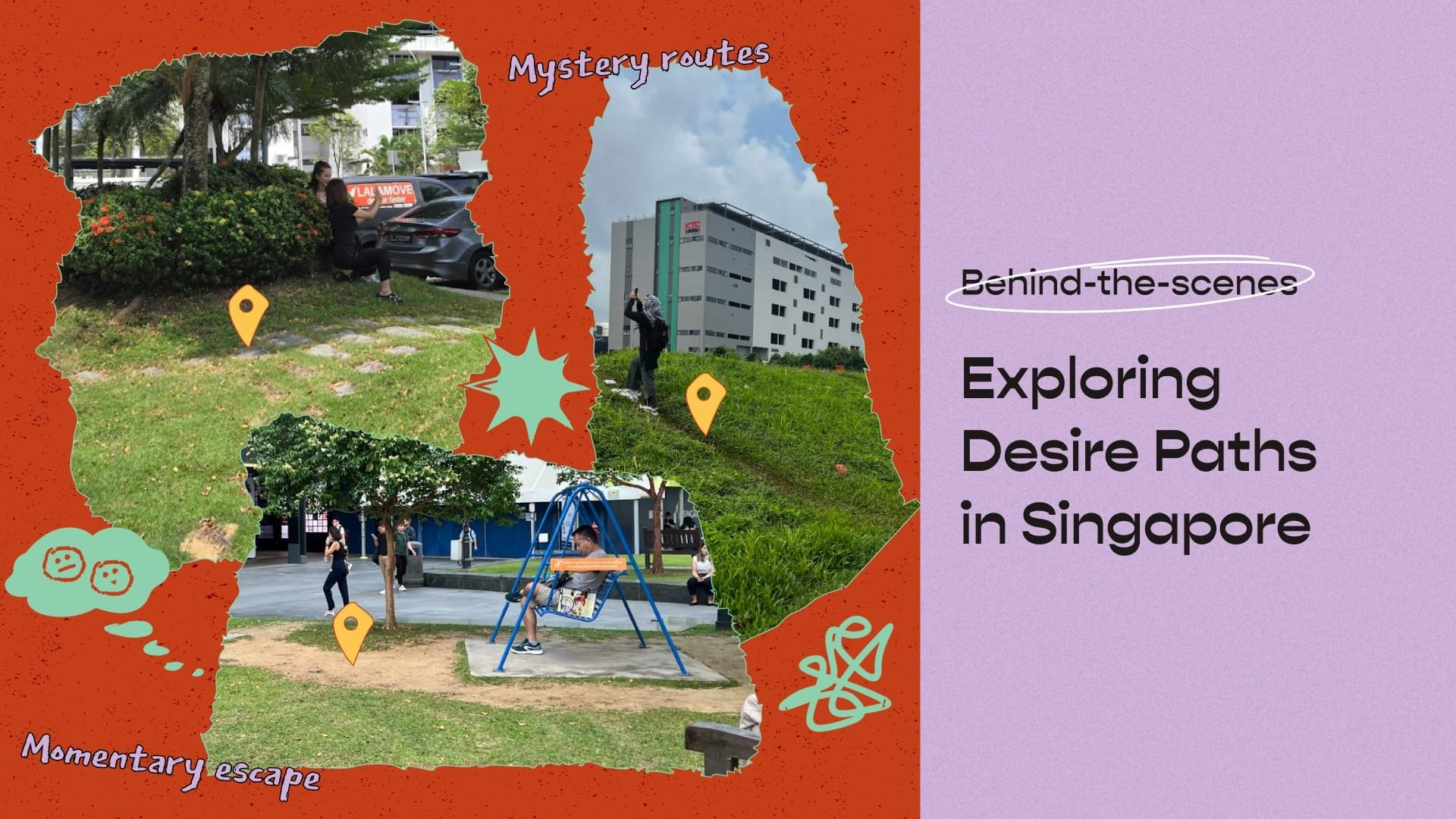
As we reflect on the small, everyday ways people exercise their agency and voices, we are reminded of our exploratory project, ‘A Line of Our Own Drawing’. Read about our ideas, research process, and experiences documenting Singapore's desired paths, culminating in a data-led wall installation that offers a different way through Singapore’s urban landscape.
Stuff we love
↗ When voices are repressed and protests erupt, archiving becomes an important way for communities to preserve their stories.
↗ The 8964 Museum preserves the memory of Hong Kong's June 4th 1989 Tiananmen Square crackdown through maps, eyewitness accounts, photographs, and archival reports.
↗ Diana Rahim photographed Singapore's hostile architecture with a twist—barriers designed to regulate public behaviour, which she humorously decorated with colourful tinsel and pom-poms.
↗ Desire lines reflect small, everyday acts of wayward agency collectively practised by pedestrians in an urban society, as shared by seniraii on Instagram.
Did you know?
Doing less to disrupt societal expectations
Doing less to disrupt societal expectations
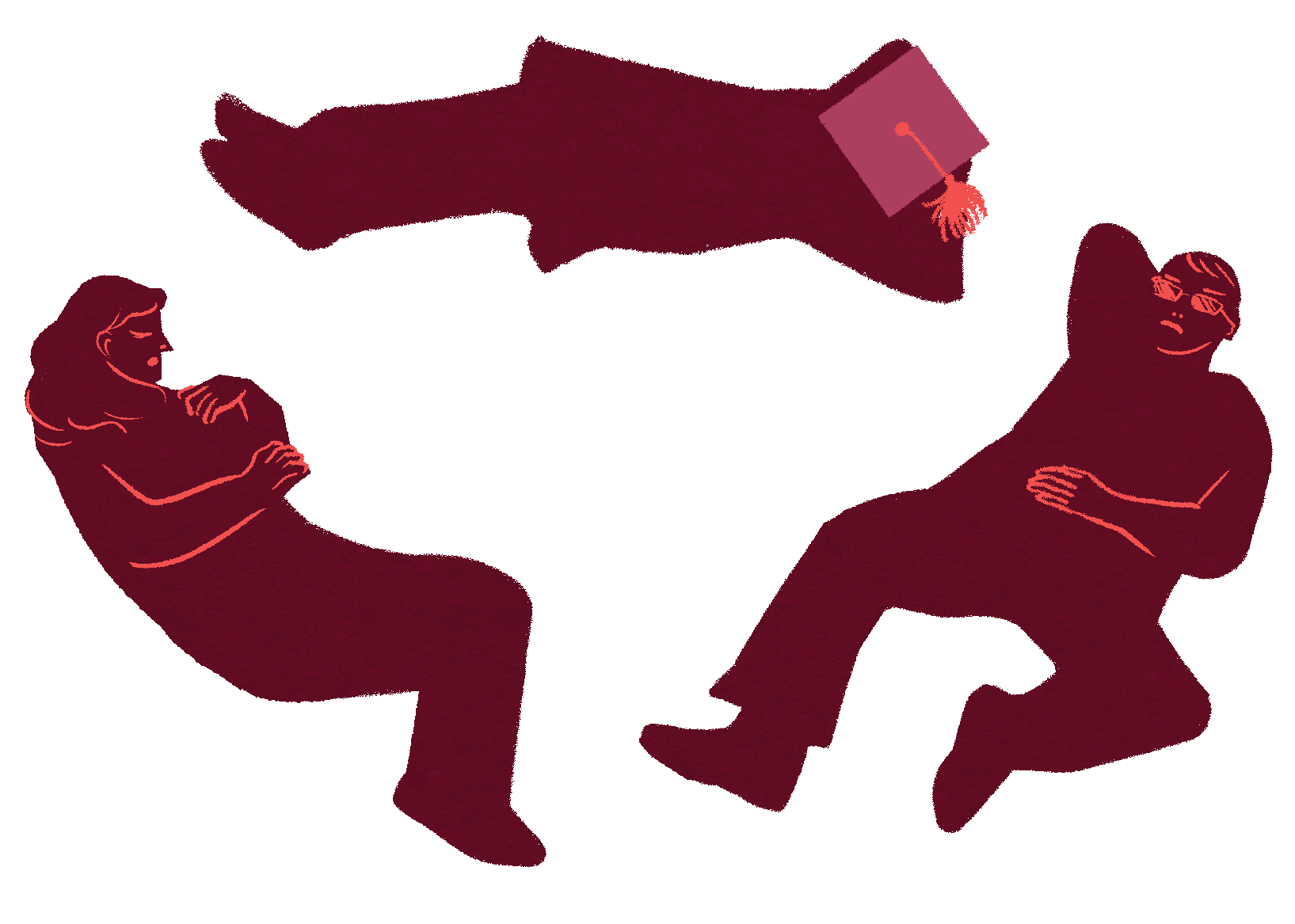
Instead of marching or striking against the burden of societal expectations, there are young people in Asia who are protesting in a quieter way: by simply refusing to try. In China, tang ping or "lying flat" means doing only the bare minimum at work and not chasing money or promotions. In South Korea, the "N-po generation" takes this even further, giving up not just on hard work, but on dating, marriage, or owning a home. In Japan, the satori generation which literally means the “enlightened generation” follows similar patterns, where they show little interest in career advancement, materialism, and romantic relationships. These movements are part of a response to looming economic despair and the unsustainable working culture of the modern world.