
Why are we still hazy about what needs to be done?— issue #78
This year’s transboundary haze in Southeast Asia seems worse than ever. But we also have more tools and data to monitor the peatland fires and their alleged perpetrators. Will the governments use their laws to protect our health?

In the past month, the haze from burning peatlands in Kalimantan has really tested the relationship between Indonesia, Malaysia, and Singapore. Transboundary haze in Southeast Asia has been a recurring plague for over 50 years—we covered this back in 2022—but this year is the worst it’s ever been. While planning this month’s newsletter, the Kontinentalist team discussed what we could say about the haze. Naturally, we went straight to data and research. Where could we offer our readers most value? Follow the money? Visualising where the smoke is coming from? What about the impact of legislation?
We were struck by the amount of information available online. From geospatial data of hotspots, to tracking land concessions and the businesses holding onto them, to financial ties, legislation, and certifications. Here are some of them:
- Satellite data tracking hotspots from NASA’s EarthData—the haze is so bad it can be seen from space
- Nusantara Atlas’s Firewatch, a dashboard bringing together multiple geospatial data sources to track and trace the extent of the fires and its damage. This dashboard shows that the fires aren’t only in Kalimantan, but significant parts of Papua too.
- A report tracking the foreign capital and power behind the forest fires by WALHI, Indonesia’s oldest and largest non-governmental environmental advocacy.
- A similar report by Greenpeace that highlights the causes and consequences of the haze.
- A research paper (not yet peer reviewed) assessing the effectiveness of ASEAN agreements in tackling the haze—spoiler: legislation does work (read more in “Stuff we love” below).
- What is an RSPO and what standards actually apply?
Clearly, this is not an issue that suffers from a lack of knowledge. So why is the burning happening? Why has it not improved over the years? We know the answer lies somewhere between the Singaporean and Malaysian companies that are allegedly behind these activities, governments demanding stronger action to be taken or deflecting blame, and people on the ground who are incentivised to burn these forests down.
While we were sifting through these resources (and it is not an exhaustive list), we noticed that these reports and insights we found come mostly from civil society. It’s clear that despite living among some of the biggest peatlands in the tropics, the people of Kalimantan have little say over their land. Surely, living in such apocalyptic conditions is not of their choice.
Across Indonesia, people are growing frustrated about the health hazards, and the anti-haze protests are growing in strength. As SEAblings entangled in both fire and smoke, there is an opportunity to band together and address the cause instead of bickering. For Singapore and Malaysia, it’s time to use the legal instruments available to act against those who are profiting at the expense of our collective health.
Update: This note was updated on 12 November 2026 to correct an inaccurate statement that the online information on transboundary haze was largely gathered by activists and grassroots groups and less so institutions or state agencies.

Special announcement

Join us at the upcoming Lapis Festival this November 28th, where we’ll be launching our latest and most exciting feature yet for our storyteller community to experience it before others. Get the last few (free!) tickets here: https://event.lapis-story.com/
more from us...
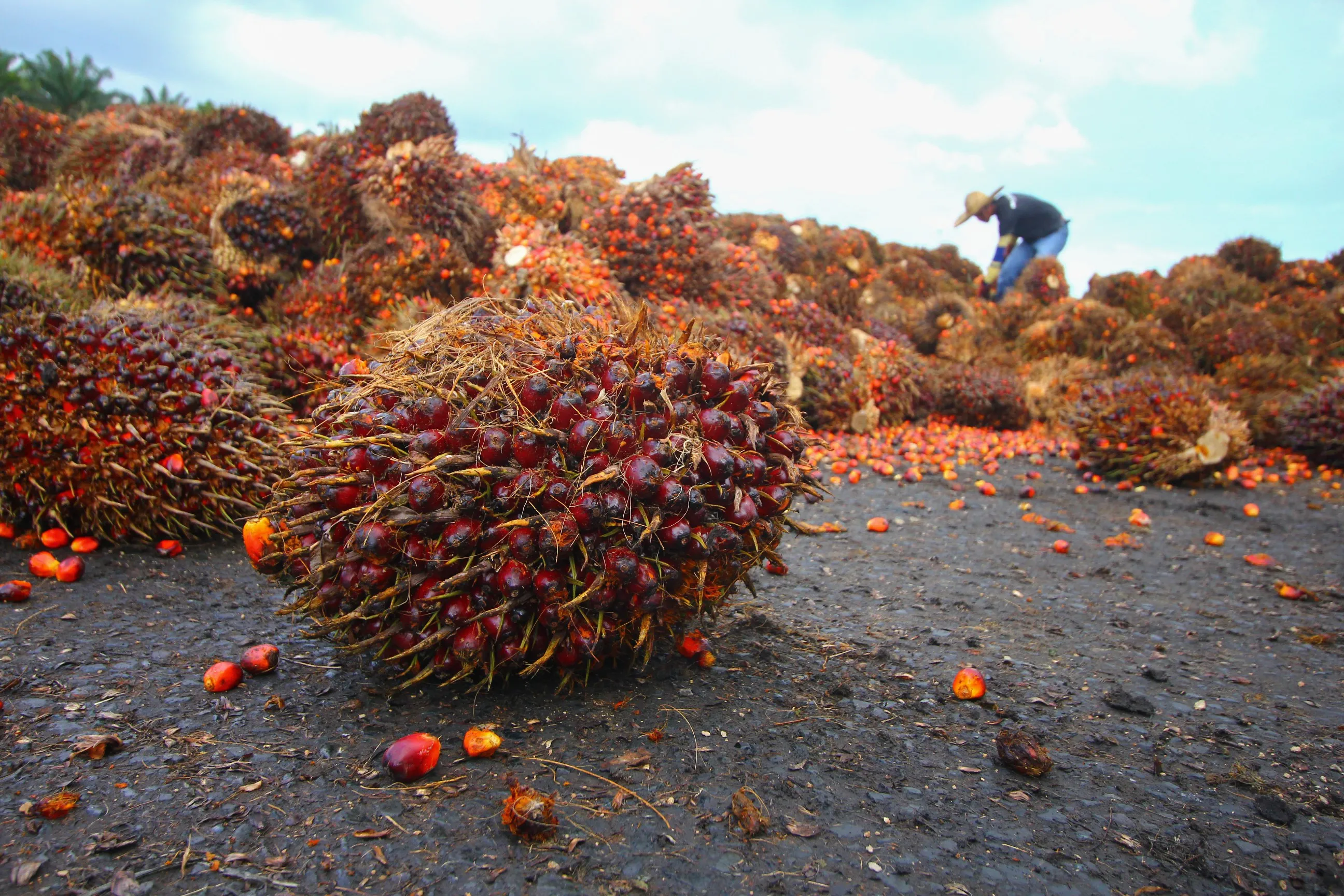
The palm oil industry has and continues to clear forests and violate Indigenous land rights. But it’s the most productive and versatile of vegetable oils, and we keep consuming more of it. Here's a primer on palm oil, and how regulations could be problematic.

Hindus worldwide just celebrated Deepavali (also called Diwali), the festival of lights. We hope you got to experience it and enjoyed some delicious sweets. Master chef Raghav shows you how to make such sweets in this comic.
Kawan special

Captivated by a Thai Girls’ Love series in 2022, a data visualization designer opened a blank spreadsheet and asked: How can I make a dataset of all the Thai GL series? The team behind our latest story on Thai GL series shares how they worked on the datasets and gave space to voices of women-loving-women in Thailand.
Stuff we love
↗ The ASEAN Agreement on Transboundary Haze Pollution has been widely criticised for its lack of teeth to stop and prevent haze in the region. But here’s something different: a recent study found that countries reduced haze levels by an average of 16% after they ratified the Agreement. (Note: The study’s findings have not been reviewed by independent researchers yet.)
↗ When planters cut and burn peatlands, they cause haze. The same “slash-and-burn” tactic is also practised traditionally by Indigenous communities, albeit at much smaller scales with far less impact. Here’s an in-depth read to help us appreciate the nuances and not confuse the two.
↗ Most of us likely wear colours that match our mood or the occasion. But when the colours of our fabric come from the plants around us, they tell stories of changing landscapes and our relationships with them. That’s what we learned from this Facebook post by the Ban Na Nong Bong Weaving Group from Thailand.
Did you know?
Hairy, warty, bearded, and endangered
Hairy, warty, bearded, and endangered
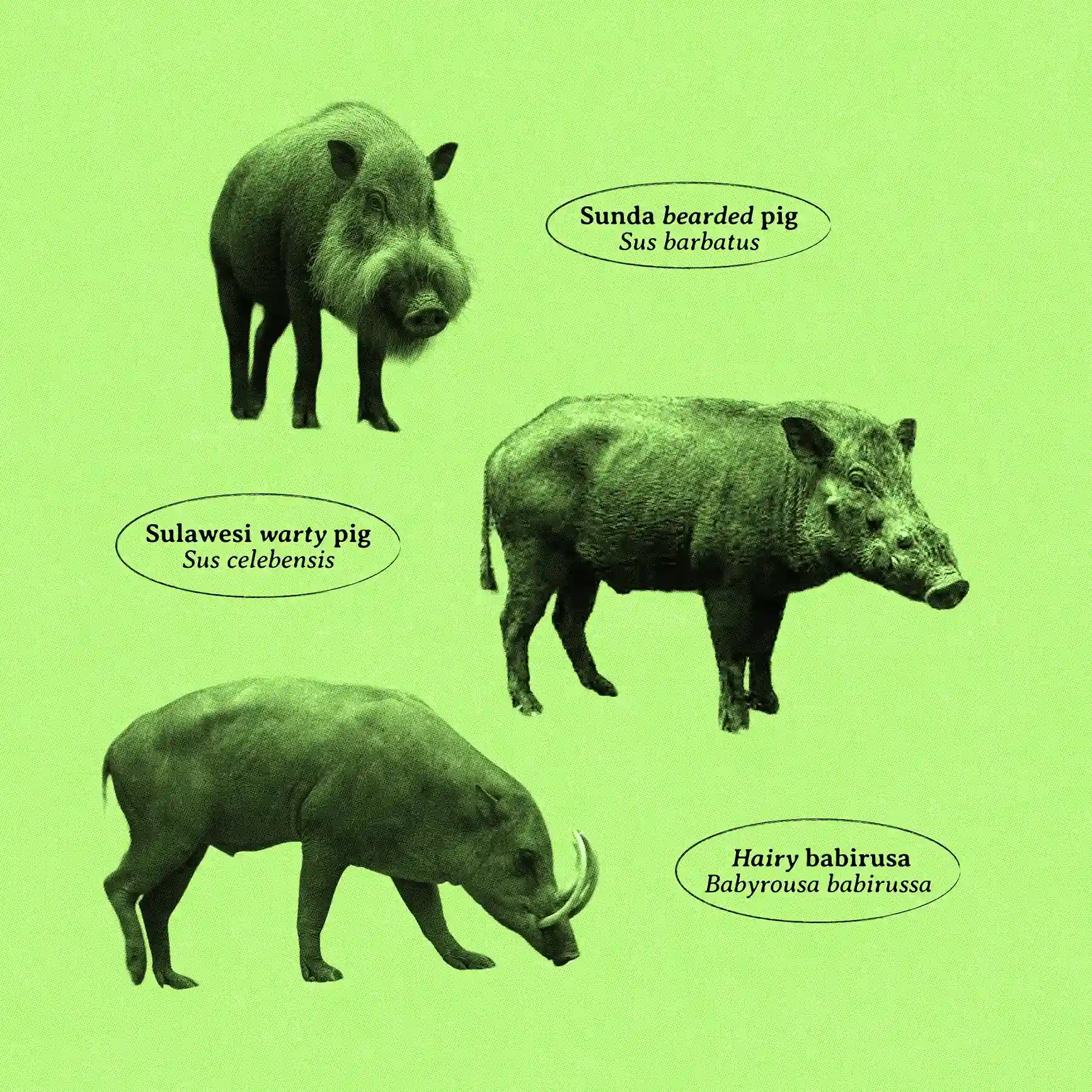
What does Southeast Asia have more of than anywhere else in the world? It’s wild pigs! One of them even appears in a 51,000-year-old cave painting in Sulawesi, Indonesia—the oldest cave painting ever verified.
Southeast Asia is home to 11 of the world’s 18 wild pig species. One species, the wild boar (Sus scrofa), roams forests from Sumatra to Scotland. The other 10 are found only in Southeast Asia. Their names tell you where and what to look for: the Palawan bearded pig, Sulawesi warty pig, Hairy babirusa (“deer pig”), and Sunda bearded pig, to name a few.
Wild pigs help forests and communities stay resilient and diverse. As they wallow in mud, dig up tubers, and build leafy nests on the ground, they disperse seeds and help rarer trees sprout. They also provide food for tigers, leopards, and many human communities.
But African swine fever has hit these wild pigs hard since 2019. Some well-studied areas have lost up to 90 per cent of their wild pigs, while we know little about the impact in less-monitored areas. Scientists have recently called for urgent action to improve disease surveillance, breed the most vulnerable species in protected facilities, and provide emergency funding.