
when the rains didn't stop— issue #70
Heavy rainfall is no stranger to Southeast Asia, but last year's monsoon rains led to the worst flood Thailand has seen in decades. As the weather becomes more extreme and erratic, how will this shift our relationship with nature?

I used to have insomnia, and the only sound that could lull me to sleep was rain. I loved it until late November 2025, when the rain in Hat Yai did not stop for a week.
I couldn’t sleep after receiving an emergency alert warning that water levels were rising to disaster levels. Each downpour felt like the line between life and death creeping closer. Usually, sunlight tends to wake me up too early, but that week, the sky stayed dark. There were no clouds, only a white haze and endless rain pressing down on us. This was not the first time that my hometown in southern Thailand had been flooded. In my lifetime, the city has faced severe flooding at least three times: in 2000, 2010, and now in 2025.
When the flood began, people in other parts of Thailand questioned why we had not followed the Meteorological Department’s warnings more closely. But how could they understand? We’ve grown up with heavy rain, and monsoons happen often. We trusted the local authorities who assured us that the situation was under control. What none of us expected was rainfall so extreme, it was later described as a once-in-300-years event. The government has since acknowledged its failure to protect us in Hat Yai.
Flooding is no longer rare. It is happening more frequently across Southeast Asia and the world. In Indonesia, the same monsoons have caused floods that have killed more than 700 people. In Vietnam, they took at least 90 lives in a single week. Each year brings news of lives interrupted, and everything is becoming more connected. Meanwhile, the technological developments fast-shaping our future demand enormous amounts of energy and water.
Artificial Intelligence (AI) is no longer distant; it is embedded into the everyday tools we use, and is increasingly difficult to refuse. As a person who works in tech, I cannot pretend I stand outside of this. At Lapis, we are exploring ways to integrate AI into our product, because avoiding it entirely may not be realistic. But we want to build it with care, and stay aware and responsible of its ethical weight and hidden costs. Good data storytelling still needs people–us–behind the wheel.
Disasters don’t happen in a vacuum. They are shaped by choices—what governments ignore, what industries extract, and what we learn to accept as normal. When I think about this, I remember how my grandmother would speak of a time when humans were not separate from the land beneath our feet. A Thai proverb goes: “There is fish in the water and rice in the fields.” It speaks of natural abundance, of a Thailand where even scattered seeds could grow. We did not dominate nature, we lived alongside it. What we took, we returned.
I rarely hear this proverb now. Rainfall once felt like a blessing. Today, things feel less certain. Still, I hope we will pause and rekindle our relationship with nature, where there can be fish in the water and rice in the fields. Maybe then, I will learn to love the sound of rain again.

more from us...
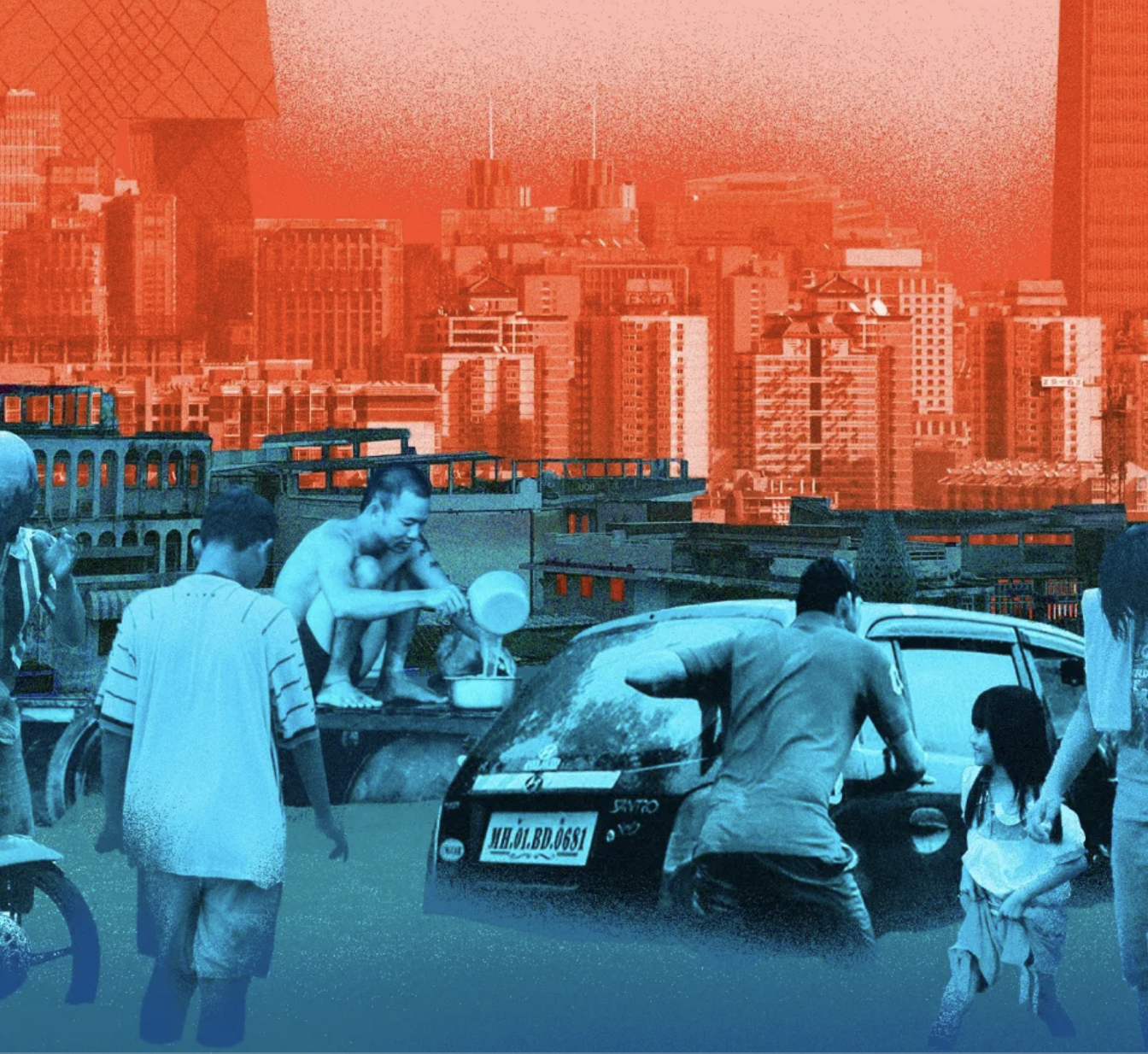
Climate change is changing Southeast Asia’s relationship with rain, and the floods that come with it.
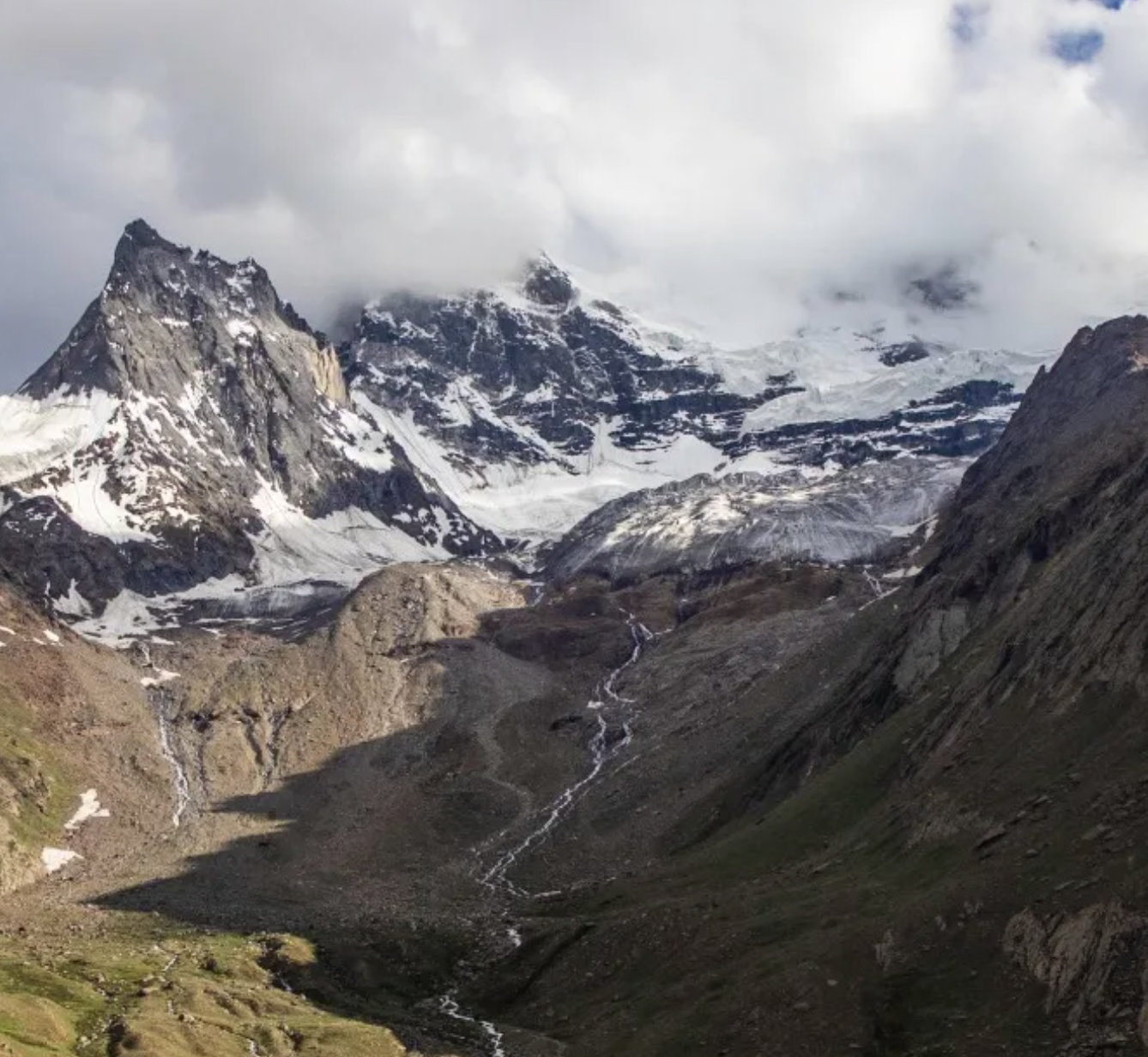
As the Tibetan glaciers melt away, what does this mean for the communities who depend on it?
Kawan special
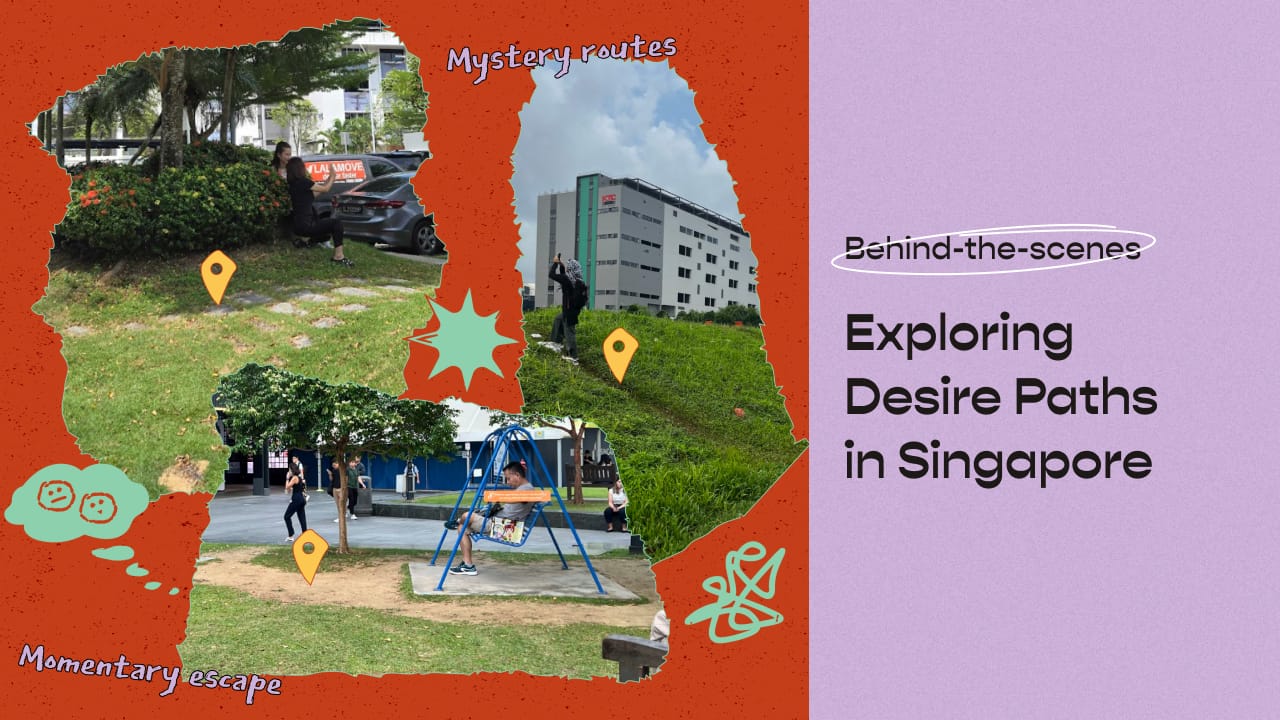
Read how the team behind A line of our drawing came up with their ideas and conducted their fieldwork documenting desire paths in Singapore.
Stuff we love
↗ Over 200 Palestinian journalists have been killed by Israeli forces since October 2023. Visualizing Palestine honours them in this series.
↗ War does not only kill people in the present, it makes the land inhospitable for generations to come.
↗ Data centres are facilities that house the systems many of us depend on. But how many of them are located where it is too hot for them to operate?
↗ Generative AI programmes use a lot of electricity, but its full environmental impacts are kept hidden.
Did you know?
Java-shaped Blade
Java-shaped Blade
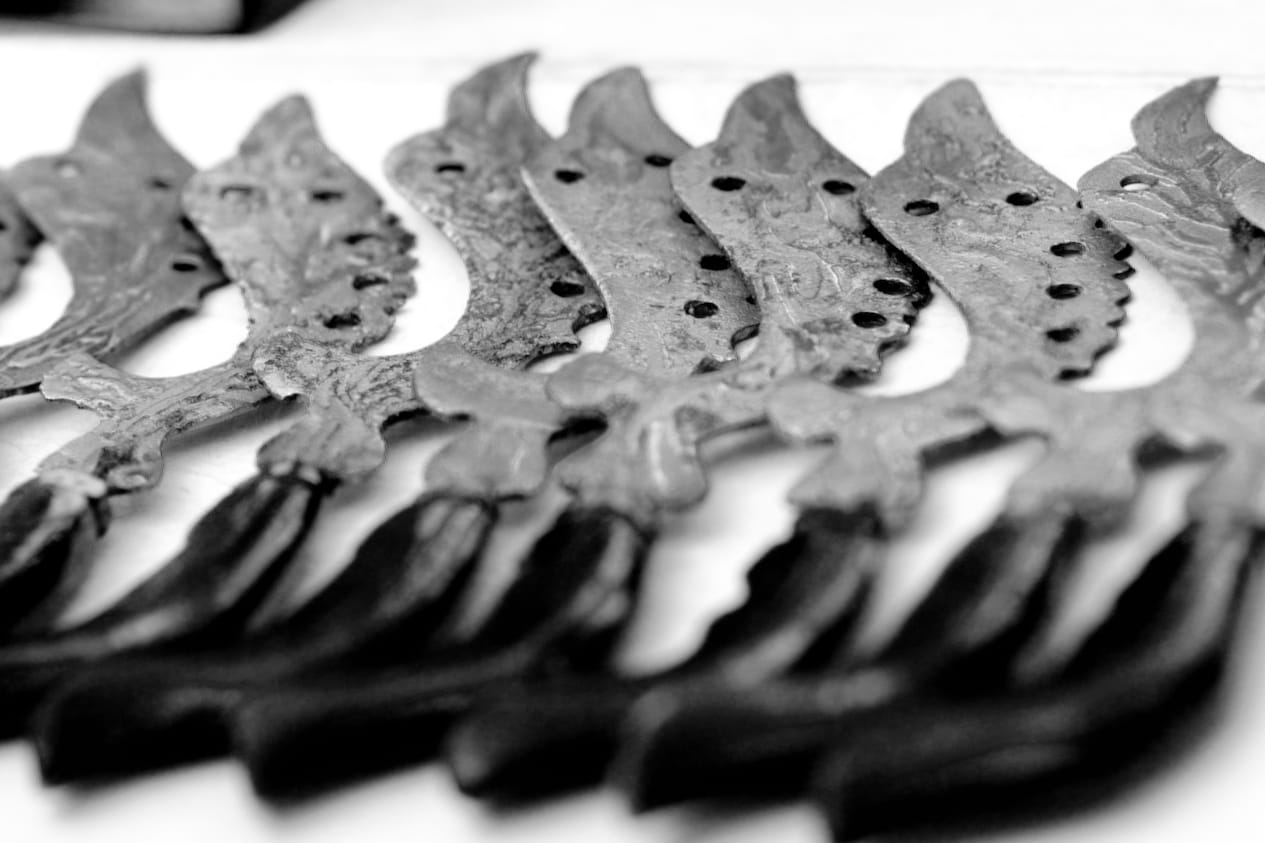
Described as the “weapon of the farmer”, the kujang was created by an ancient Sundanese society from West Java, Indonesia. Its forms are inspired by its natural environment, one of which is believed to be the isle of Java. Forged mainly from iron, the kujang evolved from a practical farming tool to a weapon for self-defence. The wooden handle often features intricate carvings of native animals such as tigers, and is usually crafted from kayu nibung, a type of wood abundant in the coastal areas of Southeast Asia. The kujang was used by farmers, but also carried by royalty, ministers, and fighters. Its multipurpose and ornamental design reflects its varied use and elements of social hierarchy in Sundanese society.


.jpg?ref=kawan.kontinentalist.com)
