What happens if communities owned their data?— issue #72
Communities are understanding how they can take charge of their own data, or reimagine the use of digital tools for practical and meaningful solutions that ensures benefits are shared. Data, it turns out, is not only a resource to be extracted, but a form of power that can be claimed.

It is often said that data is the new oil. In an age where AI companies are racing to come out top, data becomes precious fuel mined to feed their models. Recently, US game giant Niantic revealed that selling games was not its only end goal. While users were capturing Pokemon in augmented reality, they had unwittingly been helping to collect a detailed and elaborate spatial dataset for a decade. Niantic is just the latest in a long list of companies who have realised that user data is their most valuable asset.
But it is not only AI companies that are data hungry. Many governments and institutions hoard data, so as to better control the narratives told from it. National statistics is often kept in secrecy, as though the revelation of a single number can greatly shake society. Those who wield data, wield power, so to speak. It is why countries, like Argentina, fudge their Big Mac price to mask inflation, so that economists using the Big Mac Index will think their country is doing fine.
Communities too, are understanding the power of data. In Colombia, communities have come together to create Gaitana, a digital stand-in for two Indigenous political candidates, intending to use this to seek consensus if elected. In Aotearoa, Māori researchers and practitioners have come together to develop a Māori Data Sovereignty Network that recognises data as a living entity that should be governed collectively by Indigenous knowledge systems. Our friends at Data4Change recently worked with Haki Data Lab on ‘From Margins to Metrics’ in Nairobi, where waste pickers, minibus operators and domestic workers collected data about their own working conditions, creating advocacy materials, visualisations, and poetry.
These are silver linings that show how data and power do not only belong to large corporations, but also to communities to decide what to do with it. They demonstrate that when communities take charge of their own data, or reimagine the use of digital tools, not only can solutions be practical but also meaningful. Collective decision-making helps to ensure that the benefits from data collection are shared. Data, it turns out, is not only a resource to be extracted, but a form of power that can be reclaimed.

more from us...
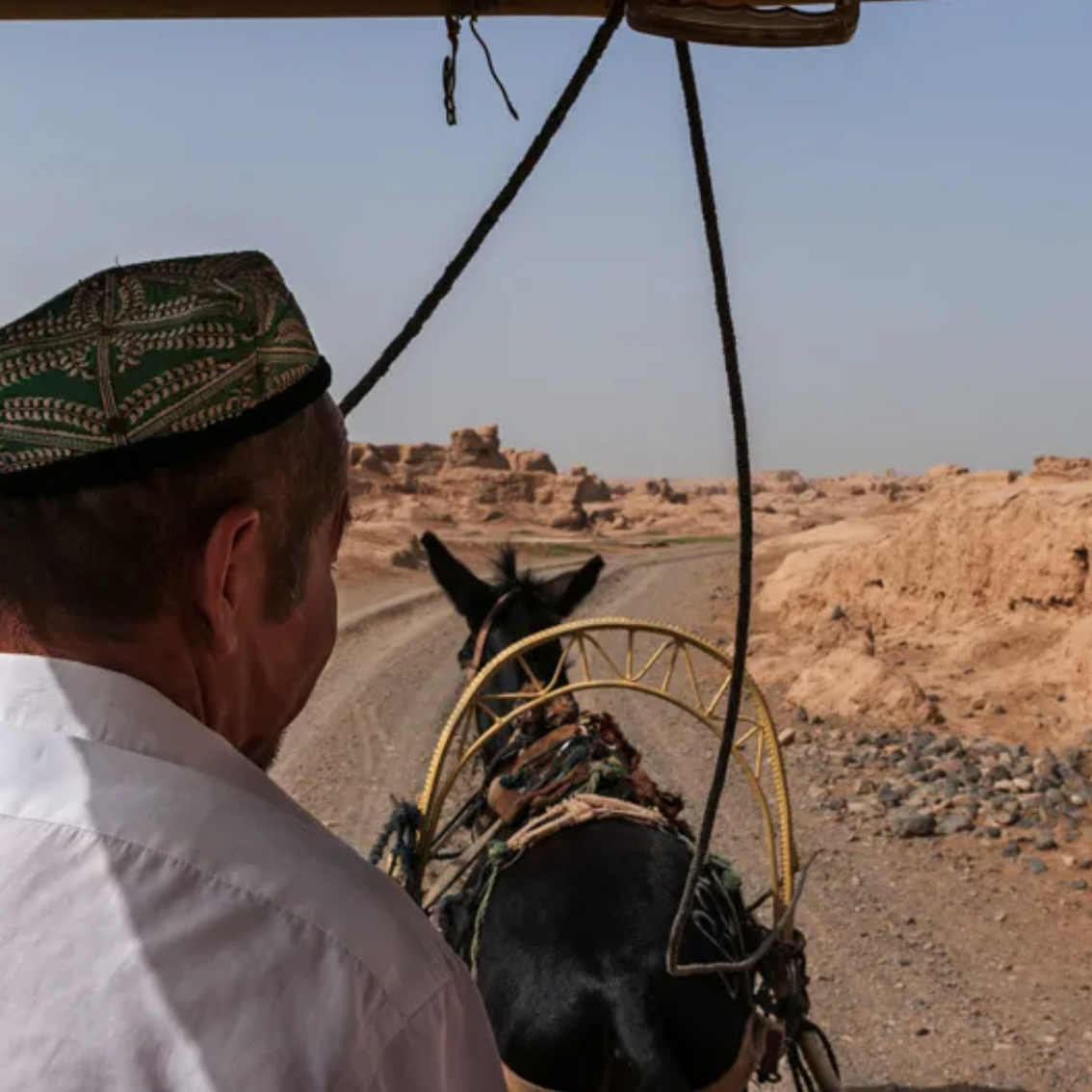
China and the Islamic world had a long trading history. But what does China’s Belt and Road initiative mean for their long-standing relationship?
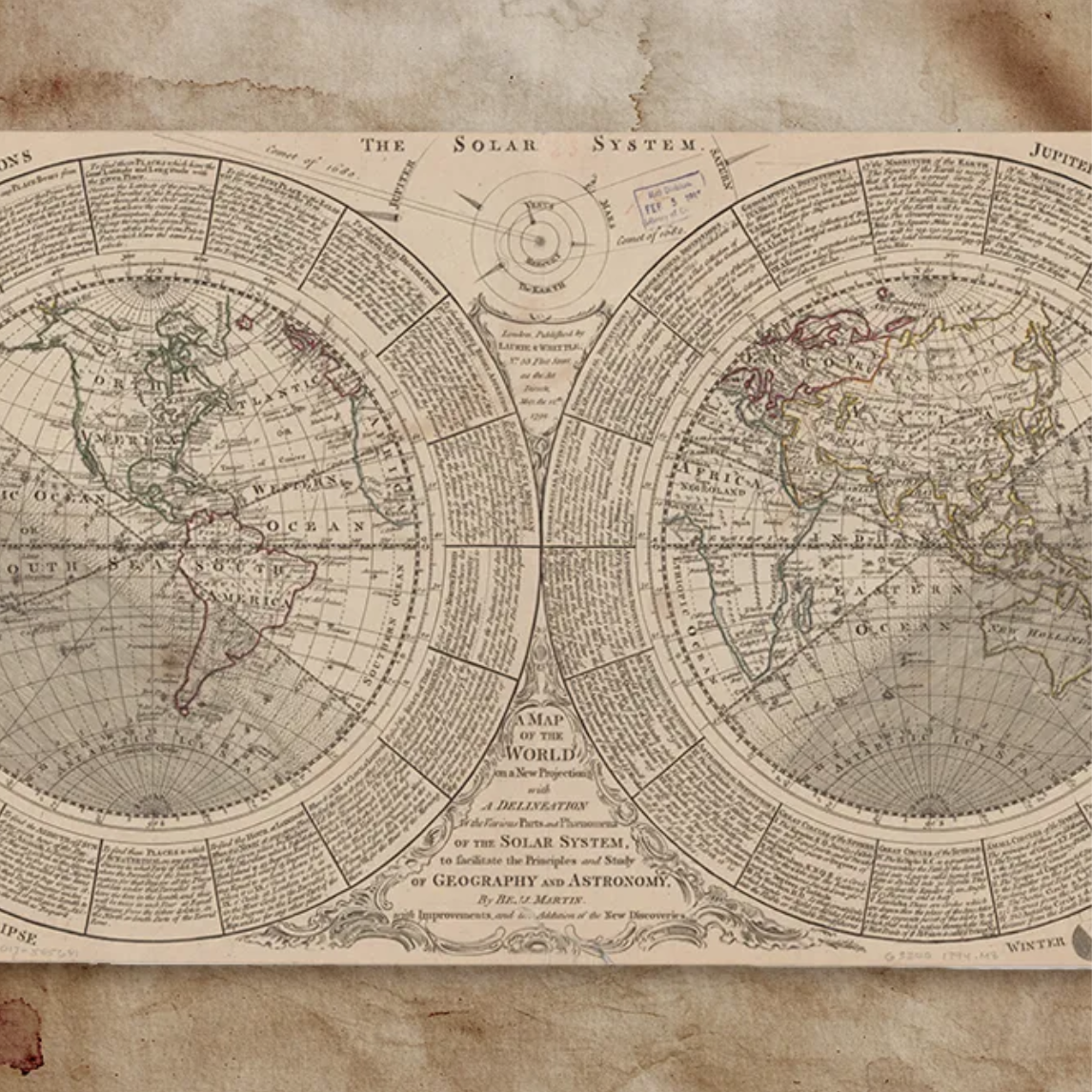
Maps are powerful tools to understand how the world works. Every map uncovers different cultures, beliefs, fears, and priorities.
Kawan special

Last year, we were invited to talk about how we handle and visualise data with care through our projects at the 2025 VISAP conference in Vienna. Munirah shares their experience, along with inspiring examples of data projects that practise data humanism, an approach that is becoming increasingly important in today’s data-driven world.
Stuff we love
↗ Browse through Low-tech Magazine, an online publication focused on rethinking technology from a sustainability and repairable perspective.
↗ Understand why artist Sam Lavigne created the tongue-in-cheek Slow LLM, a browser extension which causes anyone who is accessing AI chatbots to encounter painfully slow responses.
↗ Sparrowhawk Data covers Indigenous beadwork in their Data Viztory series, where beads are used to record and document qualitative data.
↗ Data Provenance is an initiative which audits massive-scale datasets used to power AI models, with an Explorer tool for researchers to better understand the mapping of data origin, documentation, and consent.
Did you know?
Diverse ways of navigating the world
Diverse ways of navigating the world
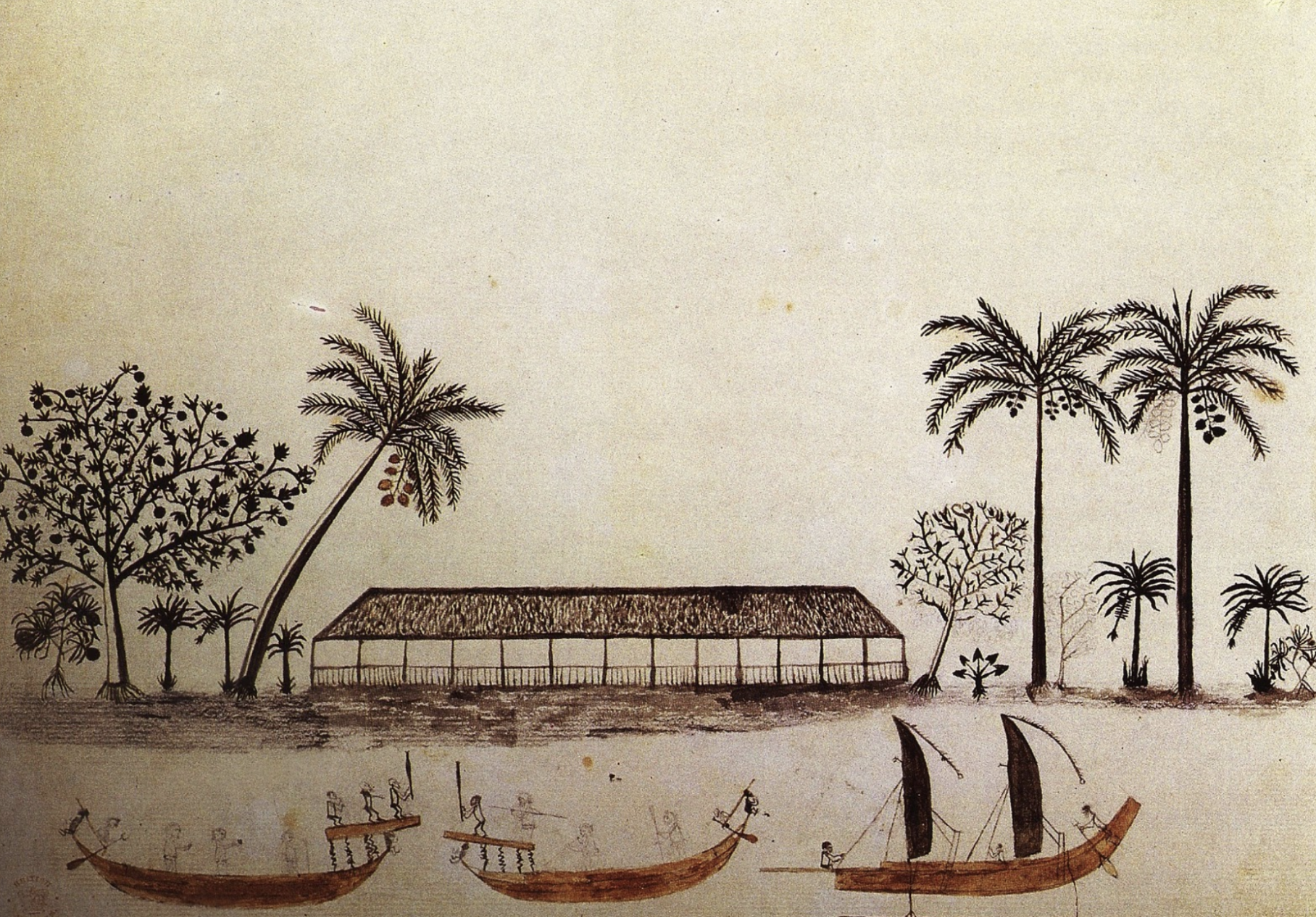
We might think of maps as navigation apps or physical maps with drawn borders and landmarks. But visually encoded maps are not the only way of getting around one’s land and region. Polynesian navigators traditionally memorise wave patterns, bird behaviour, and star placements. Marshallese navigators used a “mattang” stick chart, where materials like coconut fronds and shells represent swells of the ocean and how islands disrupt routes. Aboriginal Australian groups pass down songlines, which are routes encoded within songs. Bedouin tribes in the Arabian peninsula, Levant, and the Sahara rely on stars and oral narratives to navigate. These are embodied ways of finding one’s way around by different cultures, rooted in sensorial awareness, storytelling, and environmental cues.